LAND ROVER DEFENDER Feature Articles
Long-form guides covering the decisions that actually matter when you modify a Defender — written from fitment experience, not brochure copy. Every article is free to read in full, with no gated sections.
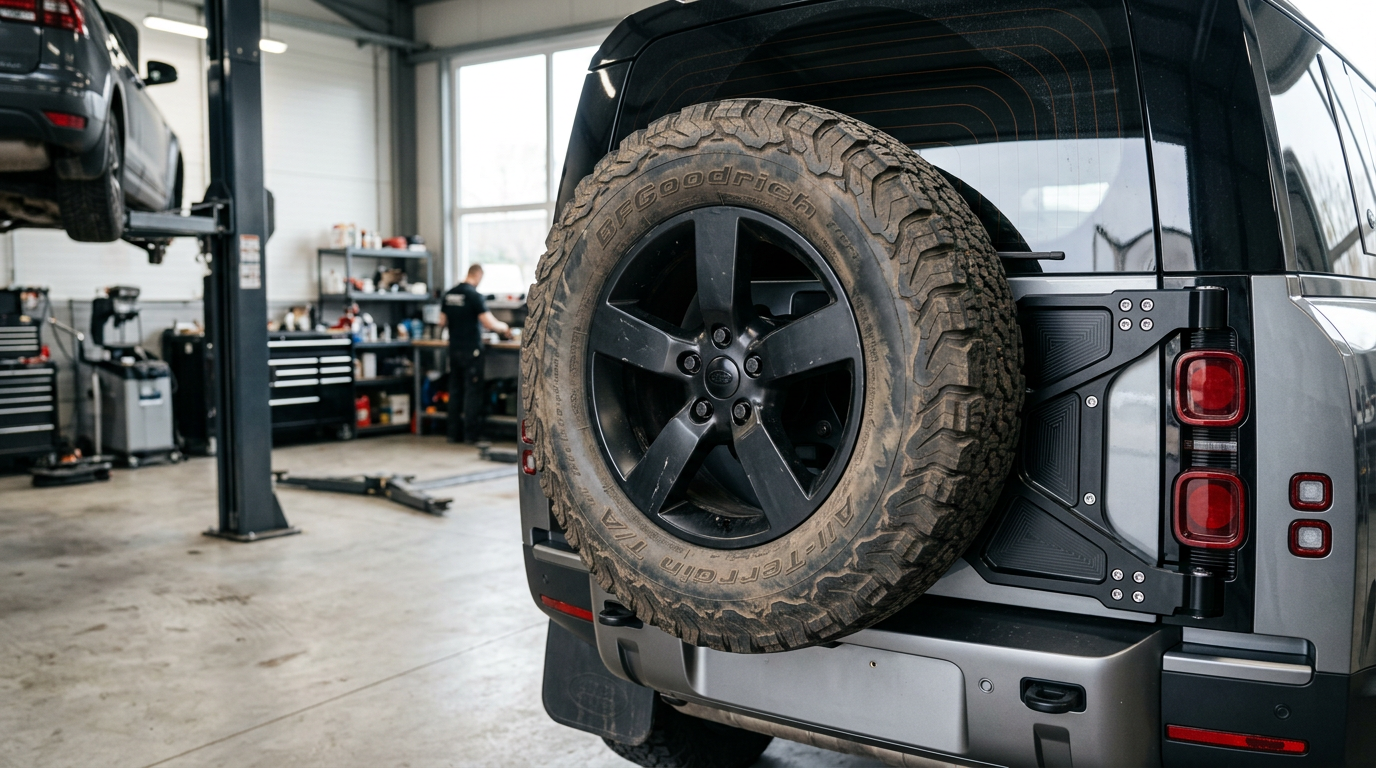
Reinforcing the L663 Defender Tailgate for Heavy Spare Wheels
Fitting oversized tyres or heavy steel wheels to your L663 Land Rover Defender can quickly overload the factory aluminium tailgate structure. This comprehensive guide covers structural load limits, how to choose between door-mounted plates and chassis-mounted swing carriers, step-by-step trim disassembly, waterproof sealing, and adjusting your tailgate hinges for perfect latch alignment.
Read the full article →
Installing UHF and VHF Radios in the L663 Defender: Cabling, Power, and Mounts
A comprehensive technical guide to integrating two-way radios into the L663 Defender. Learn safe firewall routing, non-destructive cabin mounting, and correct electrical integration without triggering BMS faults.
Read the full article →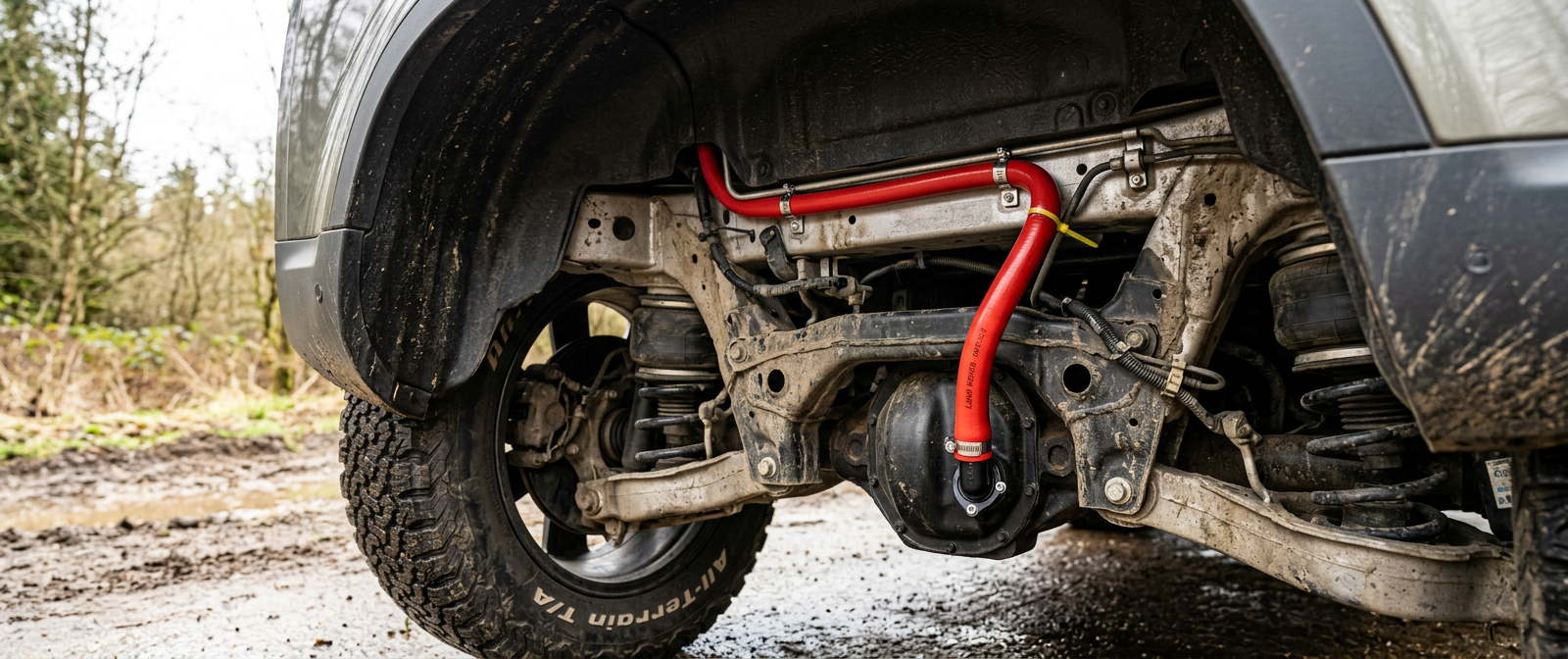
L663 Defender Deep Wading Prep: Breather Extensions and Waterproofing
Prepare your L663 Land Rover Defender for deep water crossings. This technical guide covers locating and extending factory differential, transmission, and transfer case breathers, safeguarding the air suspension compressor, and waterproofing low-slung electrical components.
Read the full article →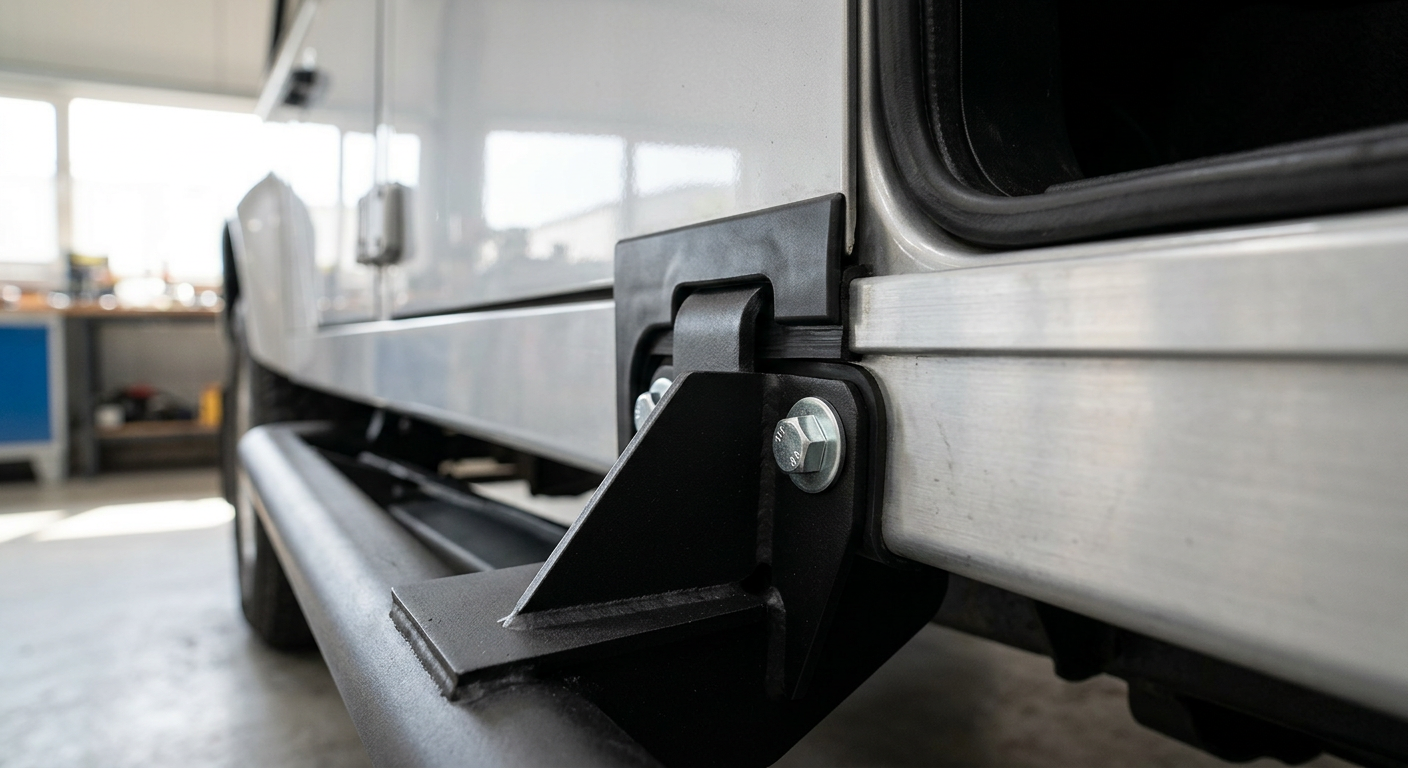
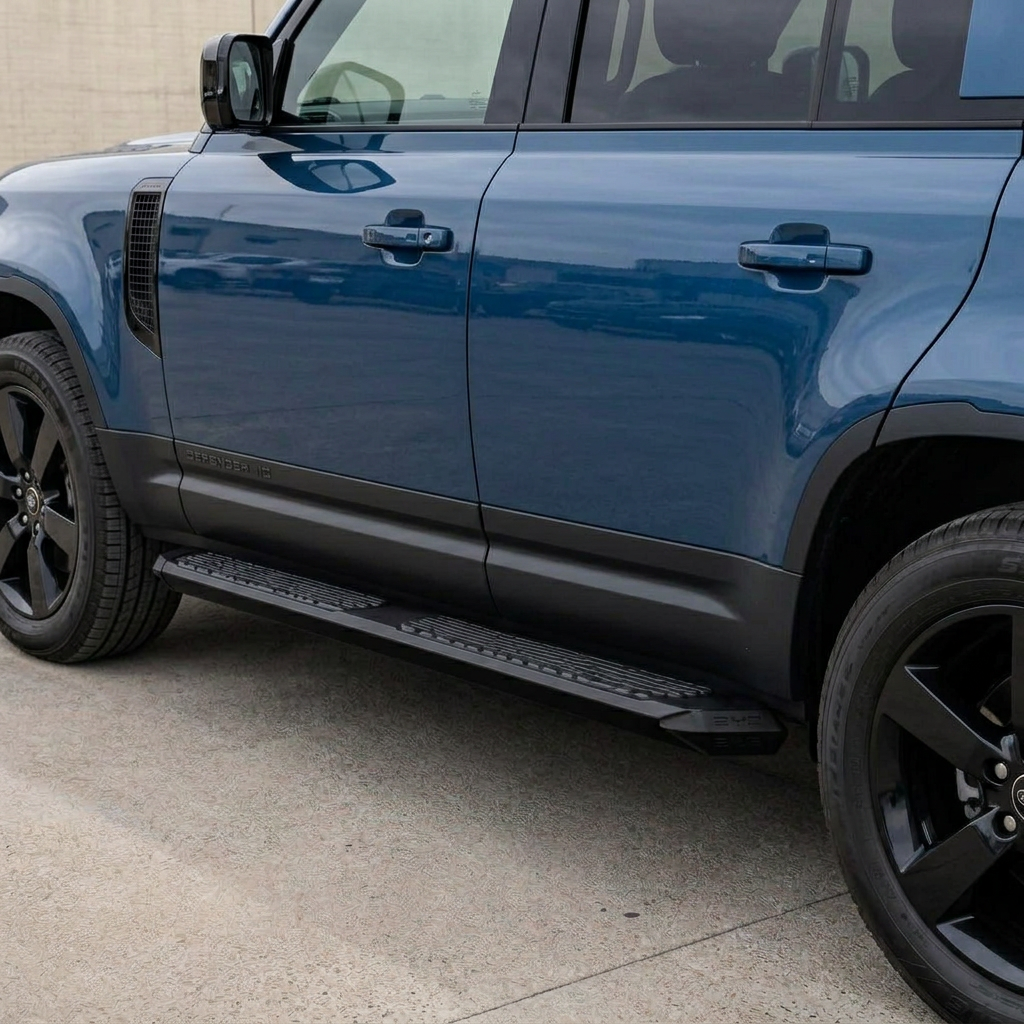
Installing Rock Sliders on the L663 Defender: Structural Mounting and Corrosion Mitigation
Fitting heavy-duty rock sliders to the L663 Land Rover Defender requires a completely different approach than traditional body-on-frame 4x4s. Because the modern Defender uses an aluminium monocoque (D7x architecture), securing side protection means interfacing steel brackets directly with aluminium structures. This technical guide explains how to safely mount rock sliders, navigate hidden wiring harnesses and air lines, prevent destructive galvanic corrosion, and preserve critical vehicle jacking points.
Read the full article →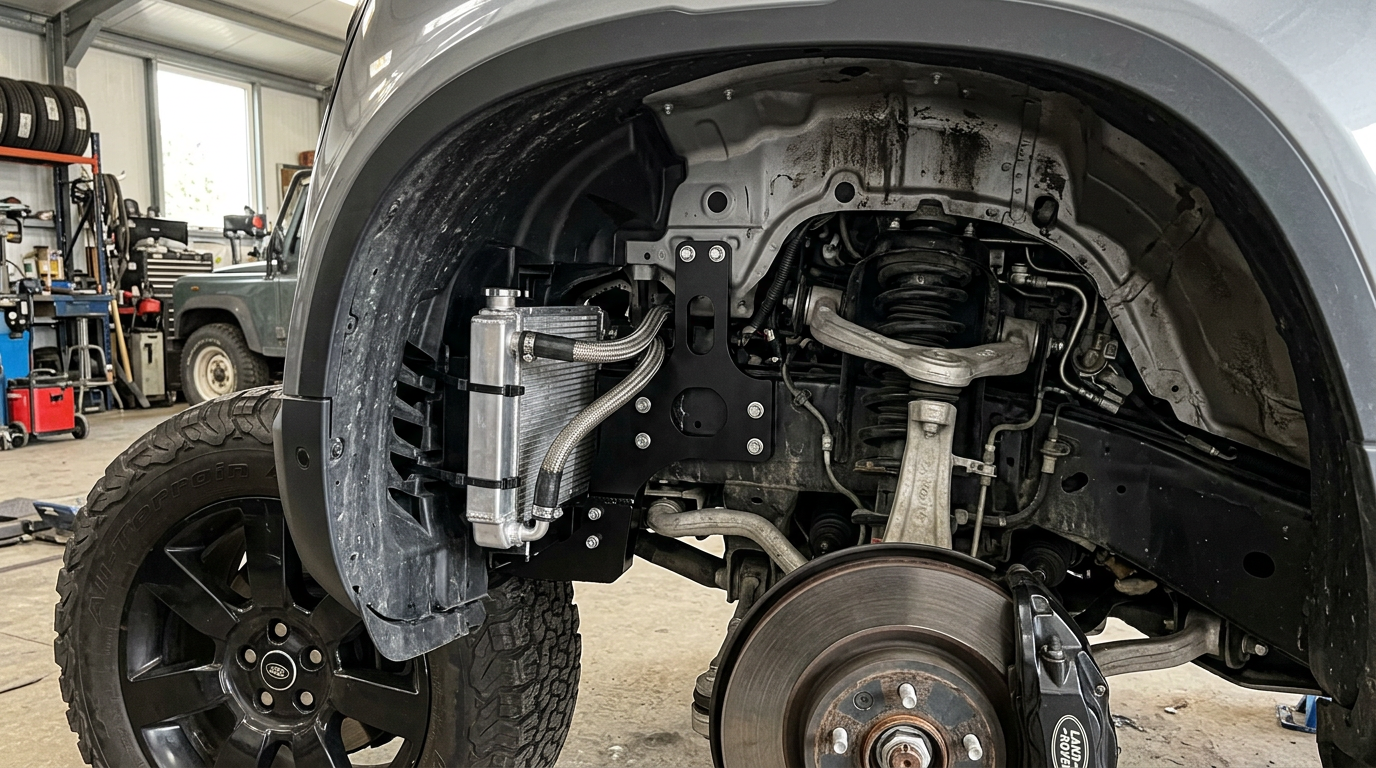
Fitting 33-Inch and Larger Tyres to the L663 Defender: Clearances, Trimming, and Calibration
Want to fit 33-inch or larger tyres to your L663 Land Rover Defender? This comprehensive technical guide details the critical rubbing points—including the front intercooler brackets and rear wheel arch liners—required trimming steps, subframe spacer options, and software recalibration methods needed to run oversized rubber without sacrificing reliability or drivetrain geometry.
Read the full article →
Safely Tapping the L663 Defender Electrical System: CAN-Bus, LIN-Bus, and EVA 2.0 Integration
Integrating aftermarket accessories into the L663 Defender requires a deep understanding of Land Rover's sensitive EVA 2.0 electrical architecture. Avoid costly DTCs, limp mode, and parasitic battery drain by learning how to safely extract signals, utilize contactless CAN-bus readers, tap clean ignition triggers, and respect the vehicle's complex power-down cycle.
Read the full article →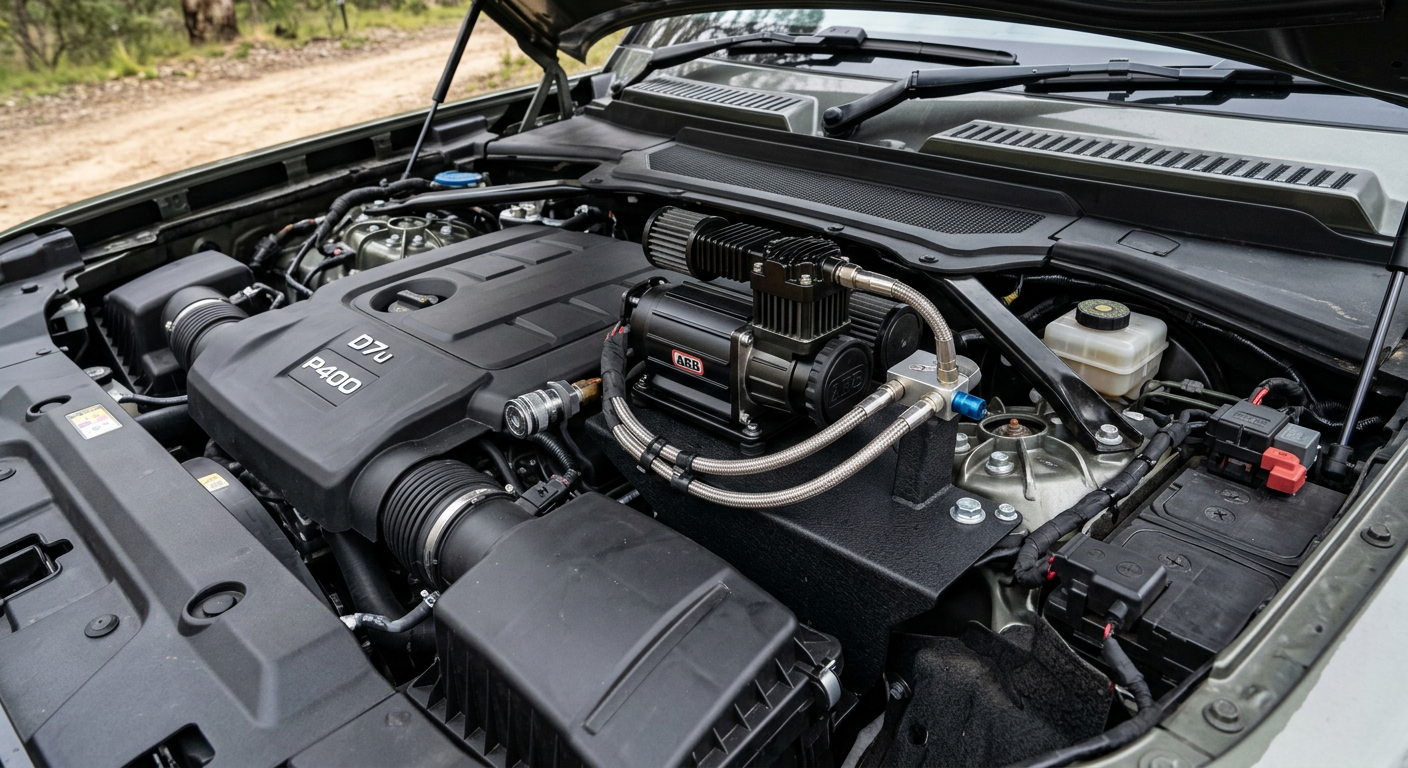
On-Board Air Compressor Integration for the L663 Land Rover Defender
Integrating a high-output, on-board air compressor into the modern Land Rover Defender requires navigating tight engine bays, complex interior trim, and a highly sensitive electrical architecture. This technical guide covers physical mounting options, plumbing strategies, and how to safely wire high-draw compressors without disrupting the vehicle's Intelligent Battery Sensor (IBS) or triggering CAN bus faults.
Read the full article →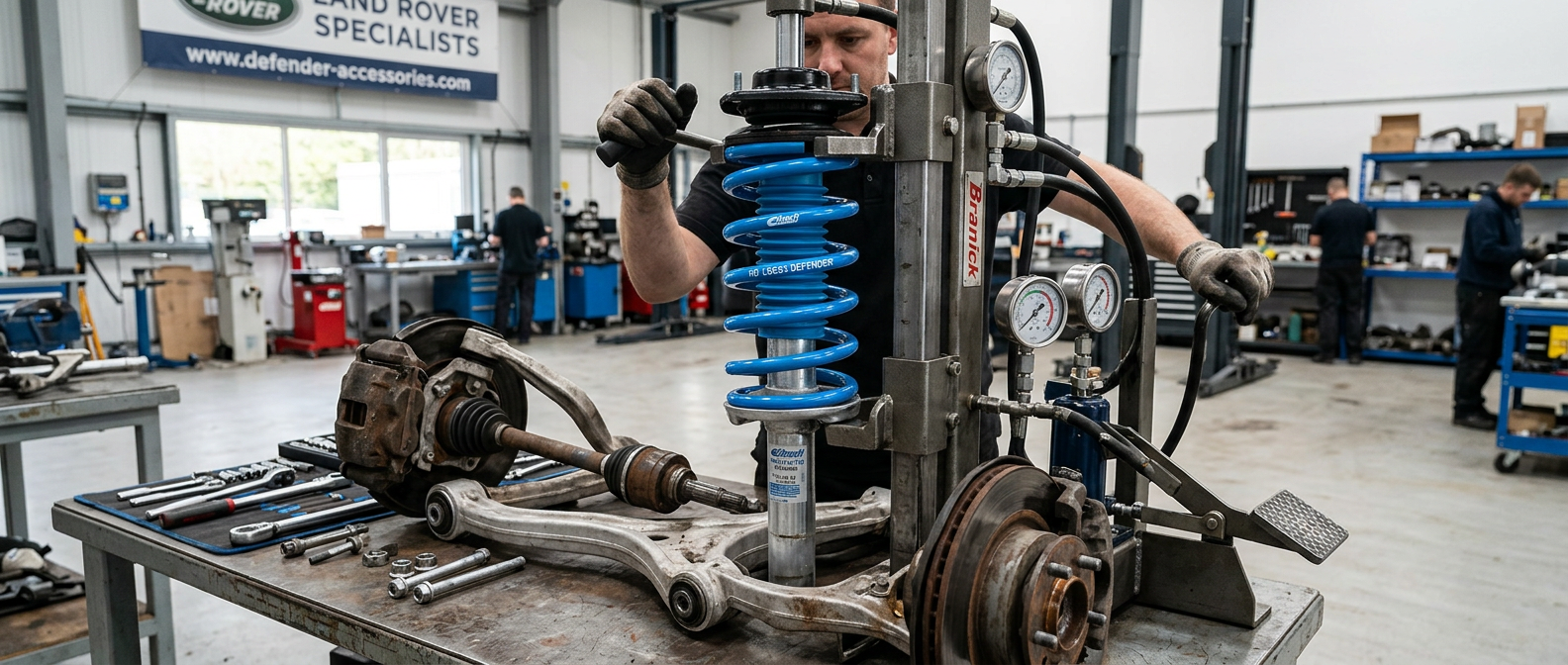
L663 Coil Suspension Upgrades: Spring Rates, Geometry, and Installation
A technical guide for DIY mechanics looking to upgrade the coil-sprung L663 Defender. Learn how to calculate spring rates for constant loads, select high-performance dampers, and correct geometry to maintain factory wheel alignment.
Read the full article →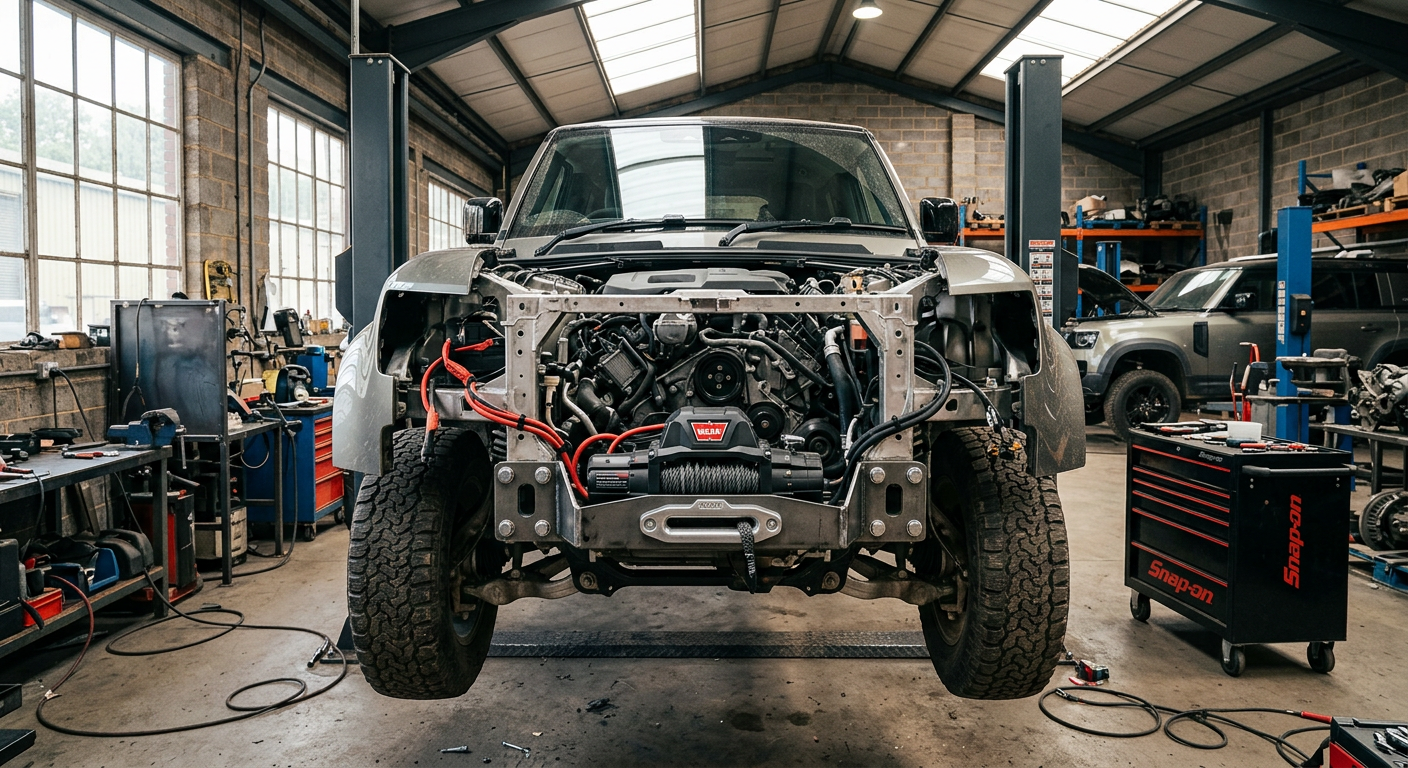
Fitting a Discrete Winch to the L663 Defender: Structural and Electrical Integration
Installing a recovery winch on the modern unibody Land Rover Defender requires precise structural integration, heavy-gauge electrical routing, and careful recalibration of driver-assistance sensors. This technical guide explains how to fit a discrete winch cradle to your L663 without compromising cooling efficiency or ADAS safety systems.
Read the full article →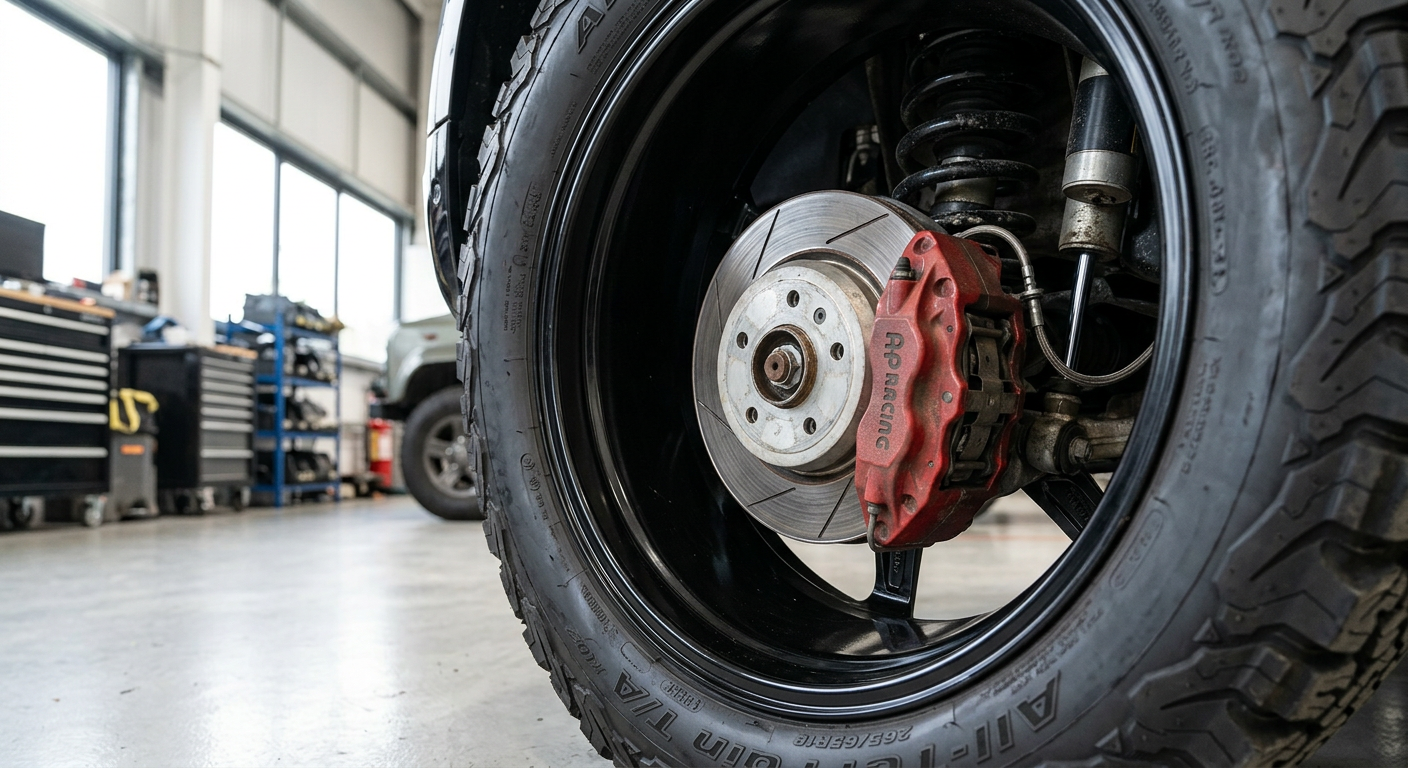
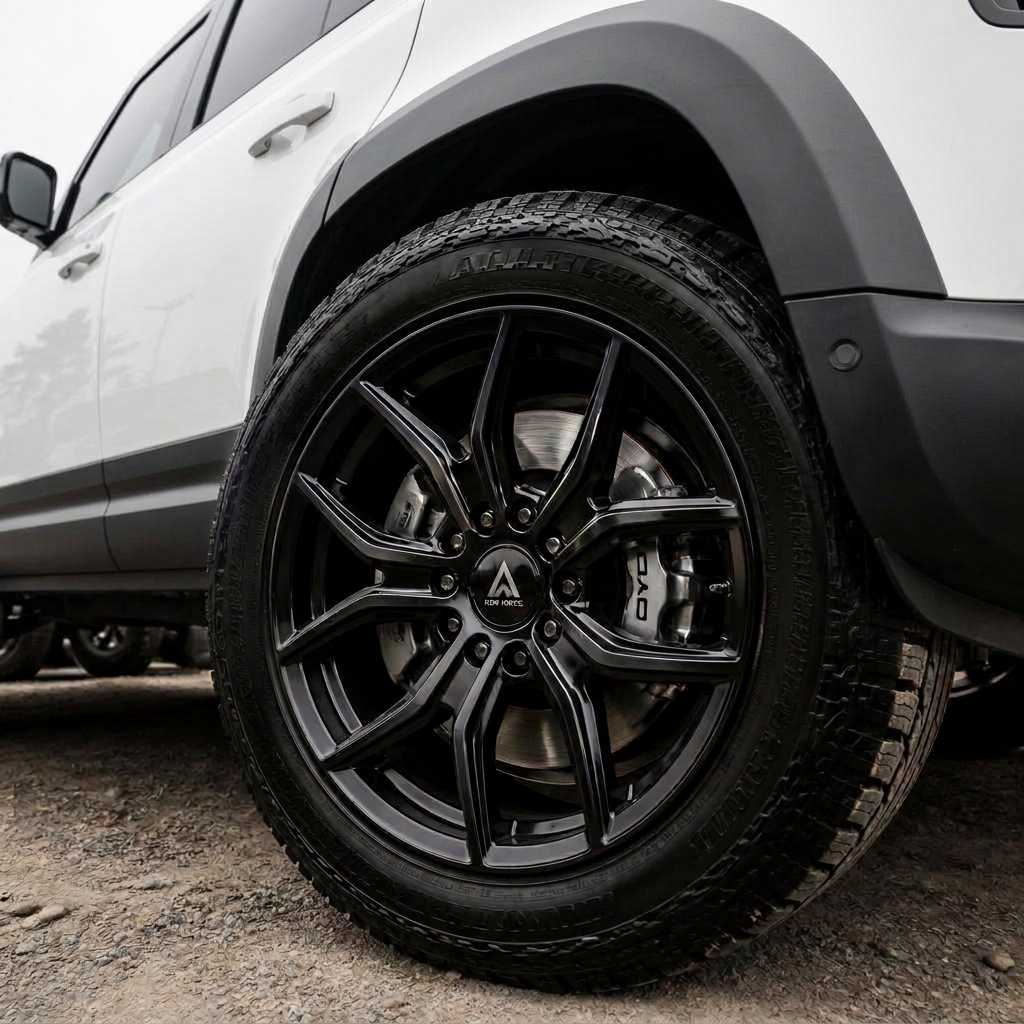
Fitting 18-Inch Wheels to Big-Brake L663 Defenders: Caliper Swaps, Grinding, and Offsets
Upgrading to 18-inch wheels on higher-trim Land Rover Defender L663 models (D300 and P400) requires overcoming a major mechanical barrier: oversized factory brakes. This highly technical guide details how to safely fit 18-inch wheels, comparing rear caliper swaps to casting modifications, analyzing offsets, and detailing the DIY brake-by-wire bleeding process.
Read the full article →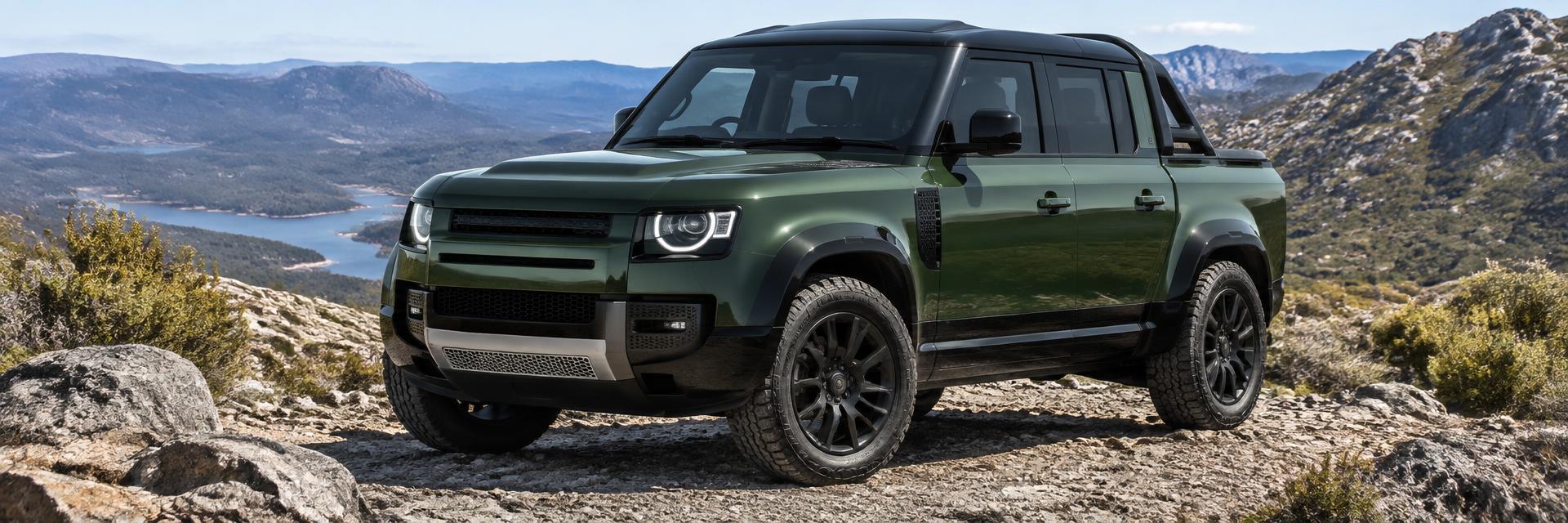
NEW DEFENDER UTE Designs and Concepts
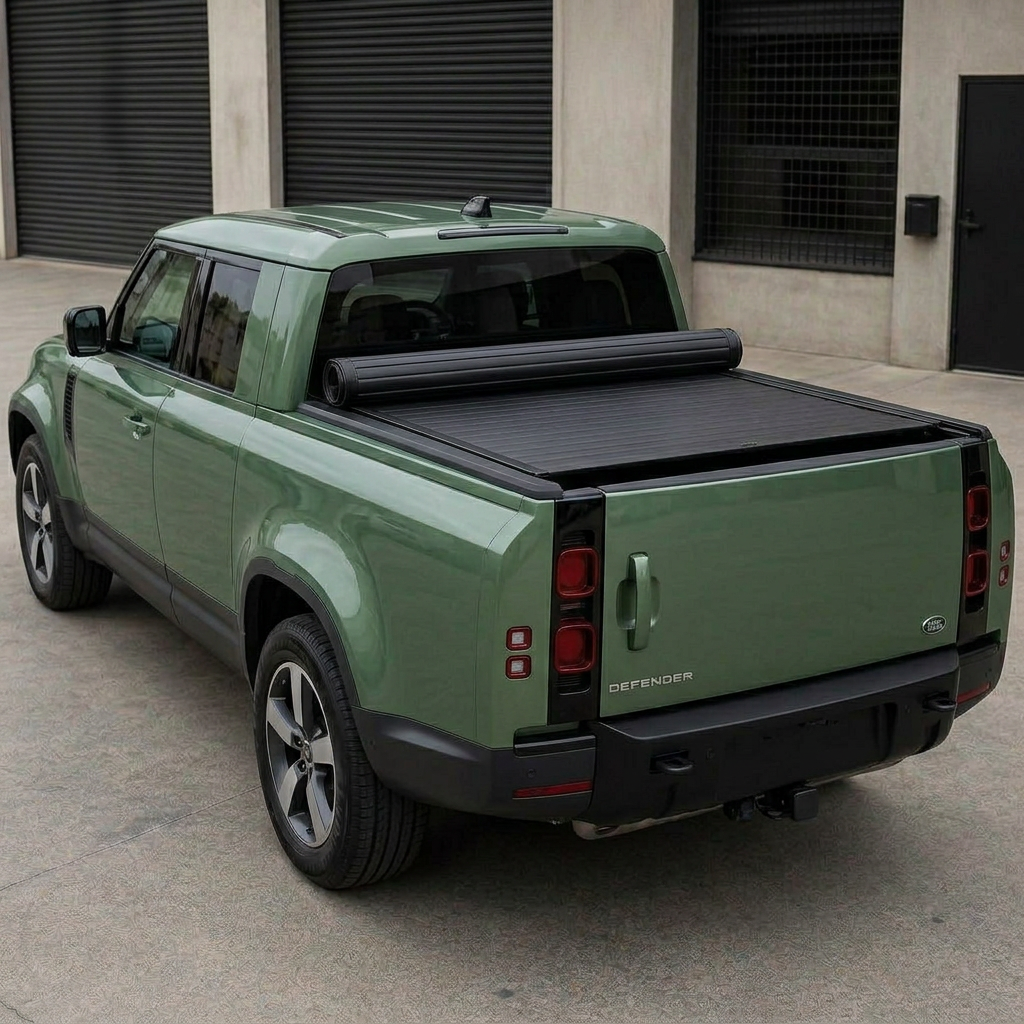
A modern Defender UTE is no longer difficult to imagine. In September 2026, Defender revealed the military Wolf Series II Utility Vehicle, proving that a current-generation Defender can wear a genuine pickup body. Separately, credible reports say JLR and Stellantis are exploring a civilian Defender-badged pickup for North America. Neither development gives us a confirmed showroom model, specification or release date, but together they create the clearest clues yet. This concept study reads those clues carefully: what the proportions could look like, which Defender design signatures should remain, how a useful tray might be packaged, and which features would make the difference between a fashionable conversion and a genuinely capable NEW Defender UTE. The vehicle pictured is an independent concept visual, not an official Land Rover image.
Read the full article →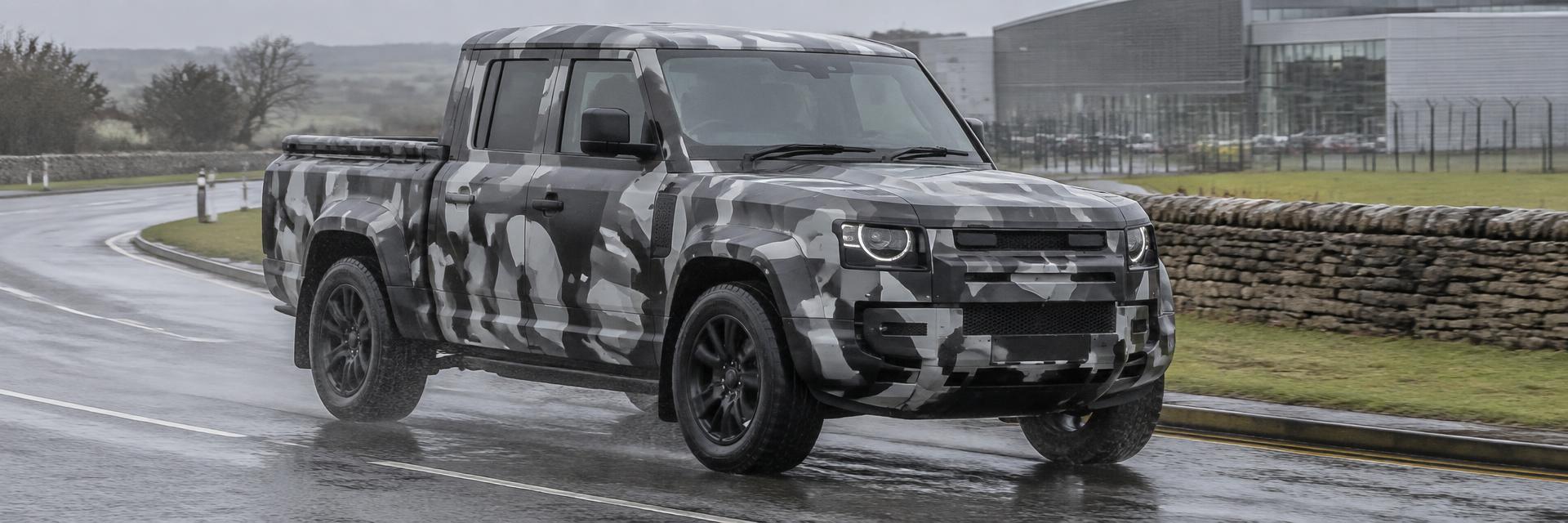
DEFENDER UTE RELEASE News About New UTE VERSION OF DEFENDER
The Defender UTE story now contains one real factory pickup, one reported commercial partnership and a great deal of internet interpretation. On 16 September 2026, Defender officially unveiled a military Wolf Series II Utility Vehicle based on the current-generation architecture. Months earlier, respected publications reported that JLR and Stellantis were exploring a civilian Defender-badged pickup for North America. Those are related in the public imagination, but they are not confirmed as the same programme. This news file sets out the timeline, identifies which images are genuine, and separates official statements from reporting, rendering and rumour. It will be updated as firmer civilian release information emerges. The camouflaged vehicle pictured above is an editorial concept illustration, not a published spy photograph.
Read the full article →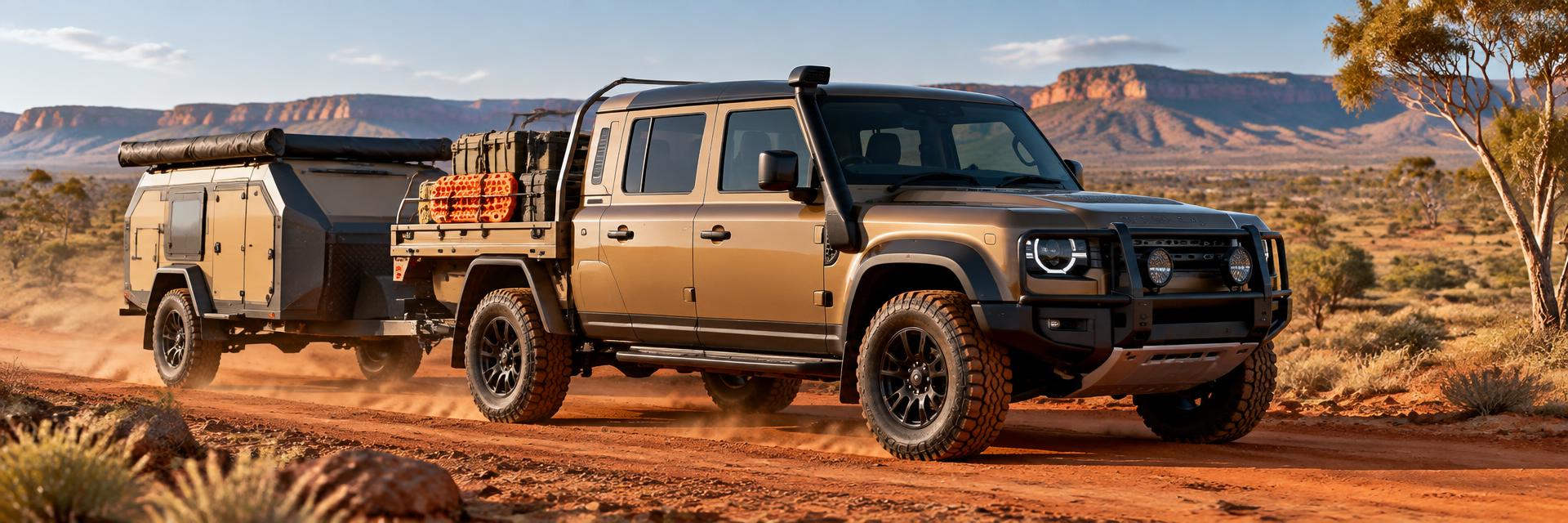
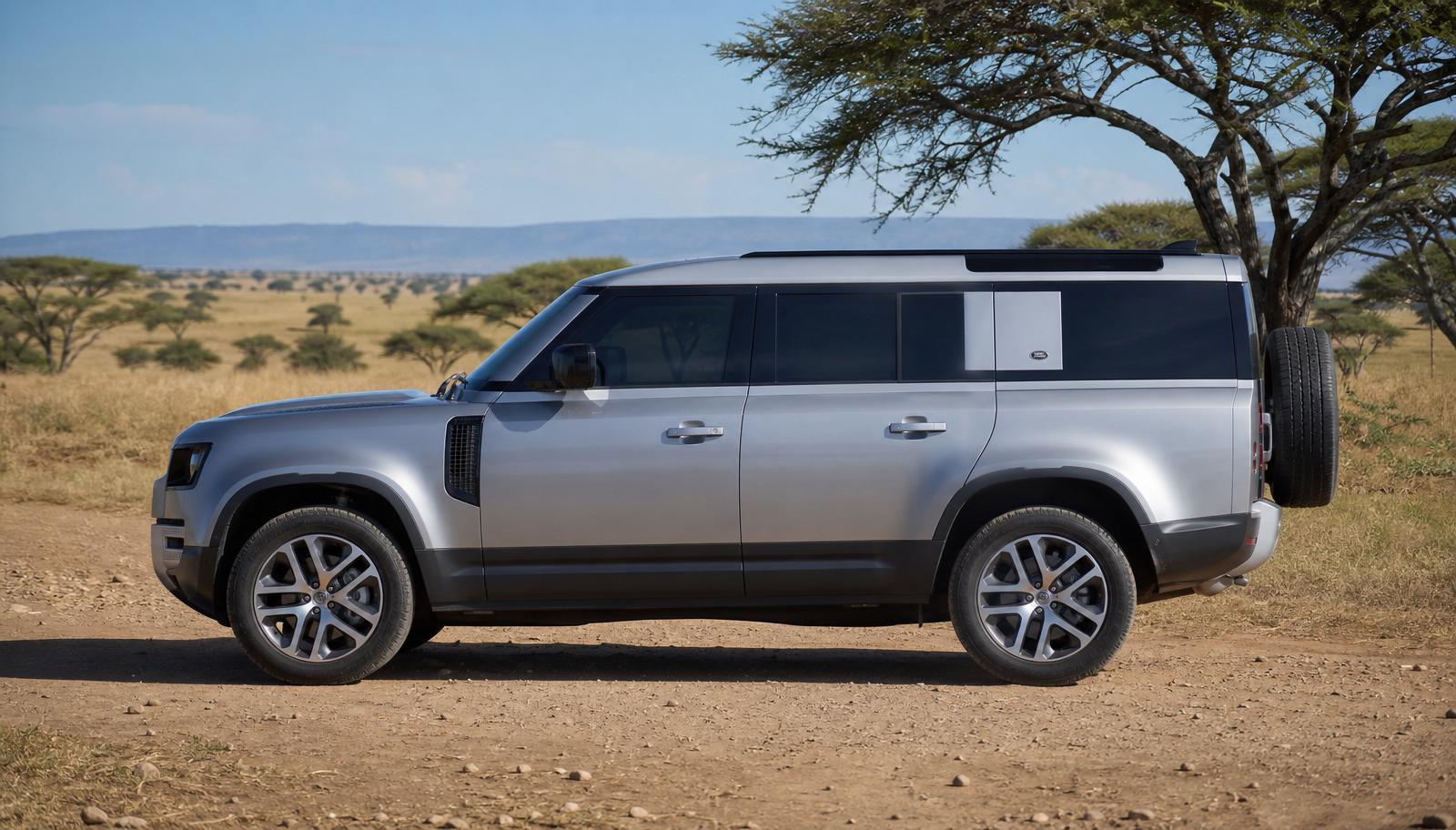
A NEW Defender UTE Built for Australia: The 130 Pickup Question
Australia may be the hardest place to fake a UTE. A vehicle can look adventurous in a launch photograph, but owners will quickly ask what it carries, what it tows, how it behaves on corrugations, where the spare lives and whether a canopy can be mounted without fighting the electronics. That makes Australia a useful test of the whole Defender pickup idea. A 130-length dual cab could bring Defender comfort, terrain technology and design to a format Australian buyers already understand, but only if the tray, payload and accessory ecosystem are treated as engineering priorities. This article is a market and design analysis, not confirmation that Defender has approved an Australian model. The bronze touring vehicle pictured is an independent concept visual.
Read the full article →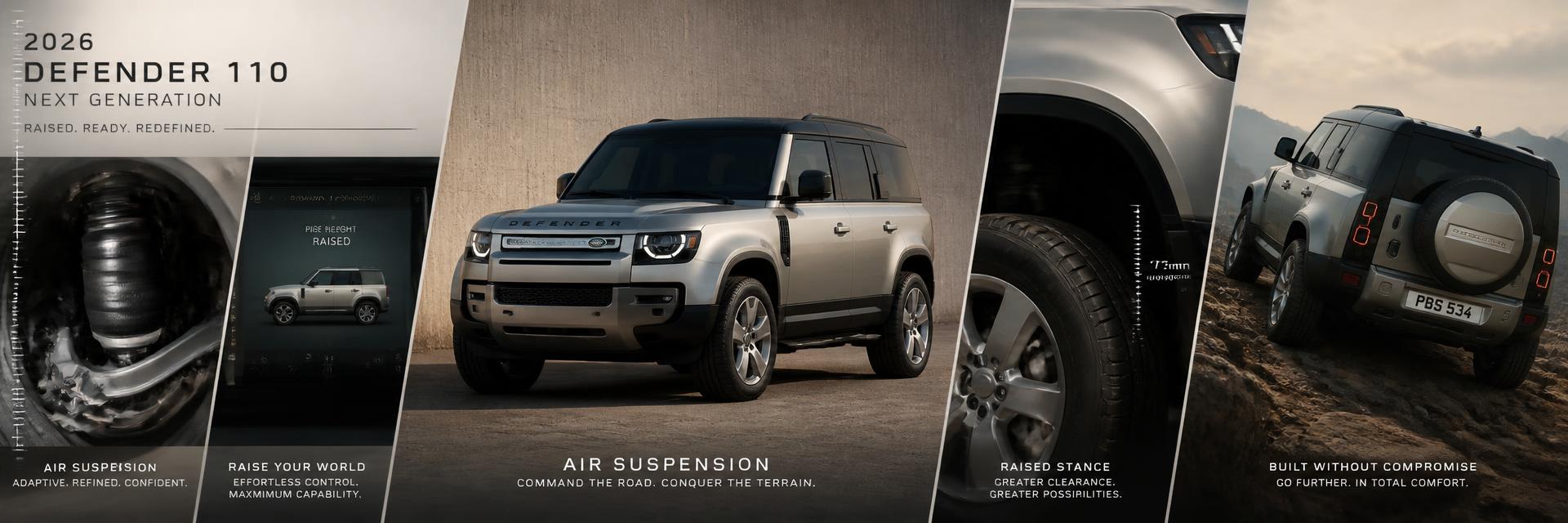
Lifting an Air-Sprung Defender: What Actually Works and What Breaks
Raising a Defender used to be a matter of longer springs and a weekend with a spring compressor. On the current car, with air springs at every corner and a control module constantly reading height sensors to decide what the vehicle should be doing, the job has moved from mechanical to electronic. That change has produced two kinds of aftermarket product: modules that work with the vehicle's own logic and modules that simply lie to it. The difference is invisible in a product photograph and enormous in ownership. This guide explains what the suspension is actually doing, what a lift changes downstream in geometry, lighting and compliance, and how to tell an honest module from a cheap one before you have paid for it and driven three hundred miles on it.
Read the full article →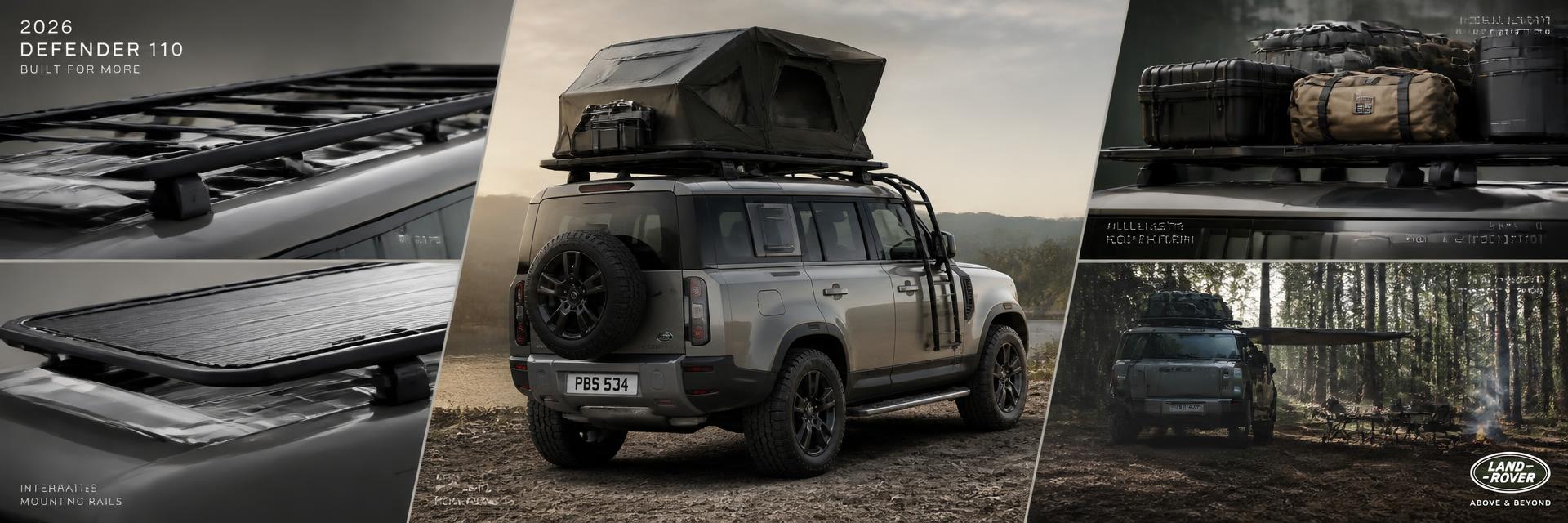
Defender Roof Loads: Static, Dynamic and the Rooftop Tent Question
Roof load is the specification owners most often misread, and the misreading is understandable: there are two numbers, they differ by a factor of several, and marketing material rarely says which one it is quoting. The consequence is a Defender driving down a motorway with a load its roof was never rated to carry in motion, handling worse than the driver realises and stressing mounting points designed for a fraction of that force. This article separates the two figures, explains why the difference exists, works through a realistic rooftop tent build in kilograms, and covers the secondary effects on handling, fuel and payload that make roof loading the most expensive place on a Defender to put weight.
Read the full article →
Building a Dual-Battery System on a Smart-Alternator Defender
Auxiliary power is where the most money is wasted on Defender builds, and almost always for the same reason: an approach carried over from an older vehicle that no longer applies. The modern Defender manages its charging system actively, varying alternator output moment to moment for efficiency, and the traditional voltage-sensitive relay has no way to interpret that behaviour sensibly. Get the foundation right and a dual-battery system runs a fridge, lights, a compressor and charging for a week without a thought. Get it wrong and you will spend a fortnight diagnosing why the auxiliary battery never quite fills and the starter battery is mysteriously flat on Monday morning. This guide covers the whole chain, in order, with the numbers that matter.
Read the full article →
Choosing Defender Tyres When Most of Your Miles Are on Tarmac
The typical Defender does the overwhelming majority of its annual mileage on sealed roads and a handful of memorable weekends somewhere considerably worse. That ratio should determine the tyre choice, and very often it does not, because the tyre that photographs best is the one designed for the conditions you meet least. This article works through the decision properly: why sidewall height matters more than tread pattern, how load index becomes a safety issue on a heavily accessorised vehicle, what an aggressive block pattern actually costs in noise, wear and wet braking, and how to change wheel size without upsetting a speedometer, a transfer case or a stability control system that all assume a particular rolling radius.
Read the full article →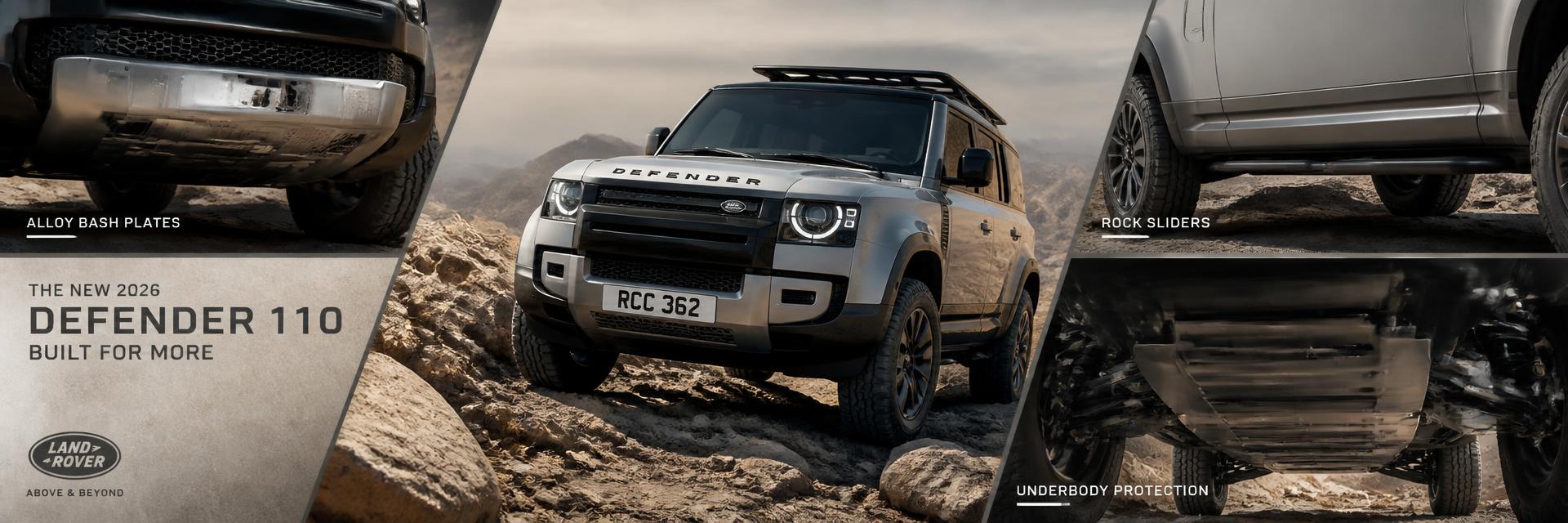
Underbody Protection: Where a Defender Actually Gets Damaged
Ask an owner where they expect their Defender to be damaged and they will point at the front bumper. Ask a workshop and they will point underneath. The damage that actually strands vehicles and produces four-figure invoices happens out of sight: a stone through a sump on a forestry road, a rock into the transfer case housing, a hidden stump against a fuel tank, a lower arm bent on a kerb that was not visible in the ruts. Underbody protection addresses precisely that, it is comparatively cheap, it adds no complication to the vehicle's sensors or safety systems, and it is consistently the accessory most owners wish they had bought before the trip rather than after it.
Read the full article →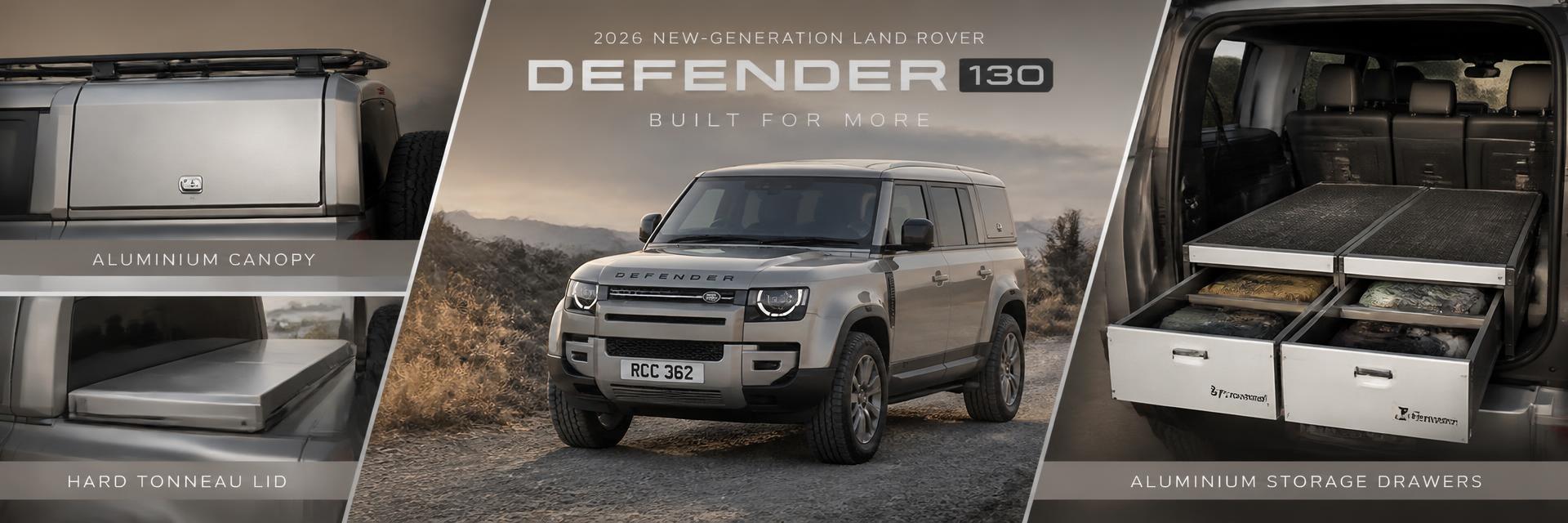
Canopy, Hard Lid or Drawers: Organising the Defender Loadspace
Every Defender owner eventually reaches the same moment: the rear compartment is full of loose objects, half of them are wet, and the thing you need is at the bottom. The market offers several answers and they are frequently compared as though they were interchangeable, which they are not. A drawer system, a canopy structure and a simple liner solve different problems, cost very different amounts of payload, and suit very different owners. This article sets out the honest trade-offs on weight, sealing, access, security and cost, and finishes with the arithmetic that should really decide it — how much payload you have left once the vehicle is loaded the way you actually load it.
Read the full article →
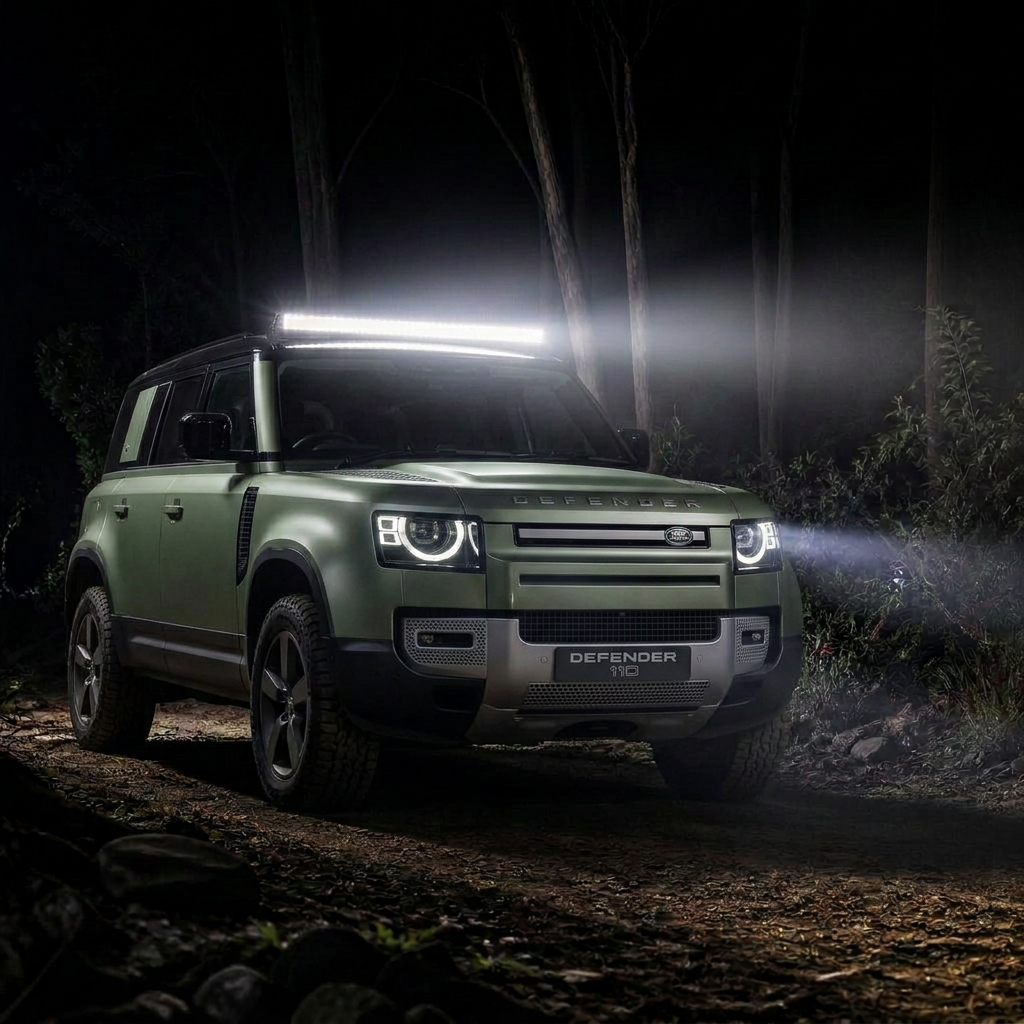
Defender Auxiliary Lighting: Beam Patterns, Legality and Sensible Aiming
Auxiliary lighting is the upgrade most likely to be bought on the basis of a single number and then quietly disappoint. Lumens sell products; beam pattern determines whether you can actually see. A bar throwing an enormous quantity of light in the wrong distribution will wash out your night vision in dust, light the treetops instead of the track, and dazzle the person coming the other way while doing nothing useful for you. This article explains the three patterns and what each is genuinely for, covers mounting positions and their acoustic and optical consequences on a Defender specifically, sets out the wiring rules that keep you legal, and finishes with an aiming procedure worth twenty minutes of your evening.
Read the full article →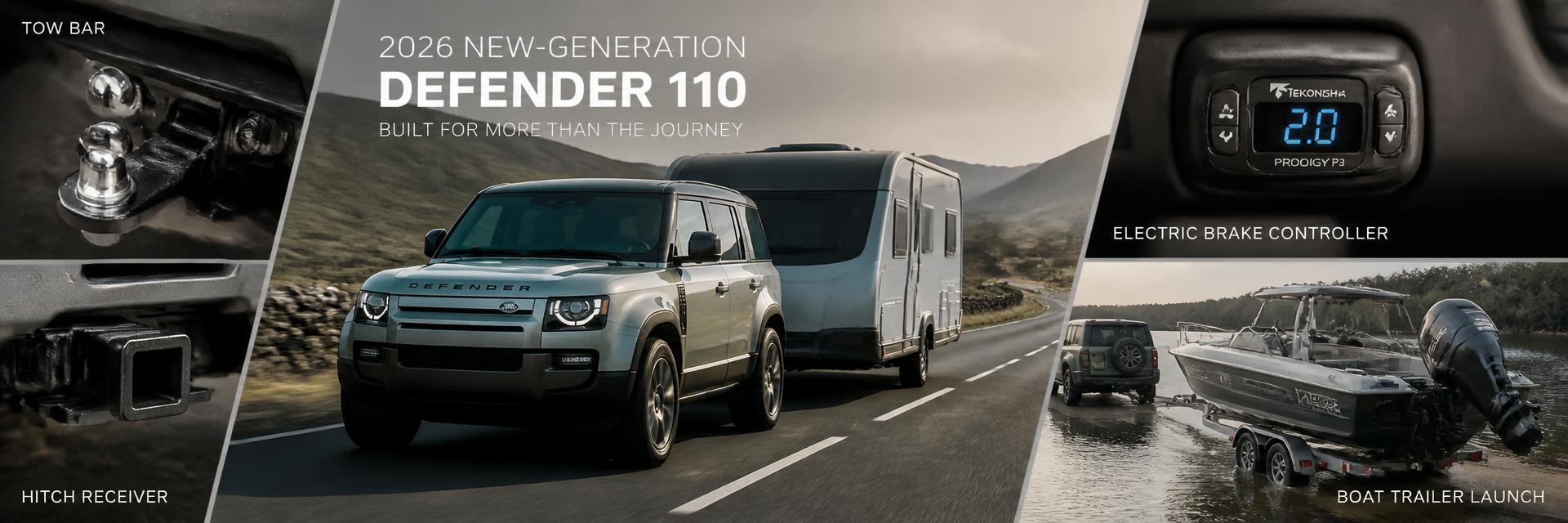
Towing With a Defender: Nose Weight, Levelling and Electrics
The Defender is one of the most capable tow vehicles available at any sensible price, with a stiff structure, generous ratings and electronics that genuinely help when a trailer starts to move around behind you. It is also very easy to set up badly, because the ratings that matter are not the one printed in the brochure. Gross combination mass, nose weight, remaining payload once the trailer is coupled, and the way air suspension responds to a load on the towball all interact, and the resulting arithmetic catches out a great many owners with perfectly legal-looking trailers. This guide works through the figures in the order they matter, then covers electrics, mirrors, levelling and the driving technique that keeps it all calm.
Read the full article →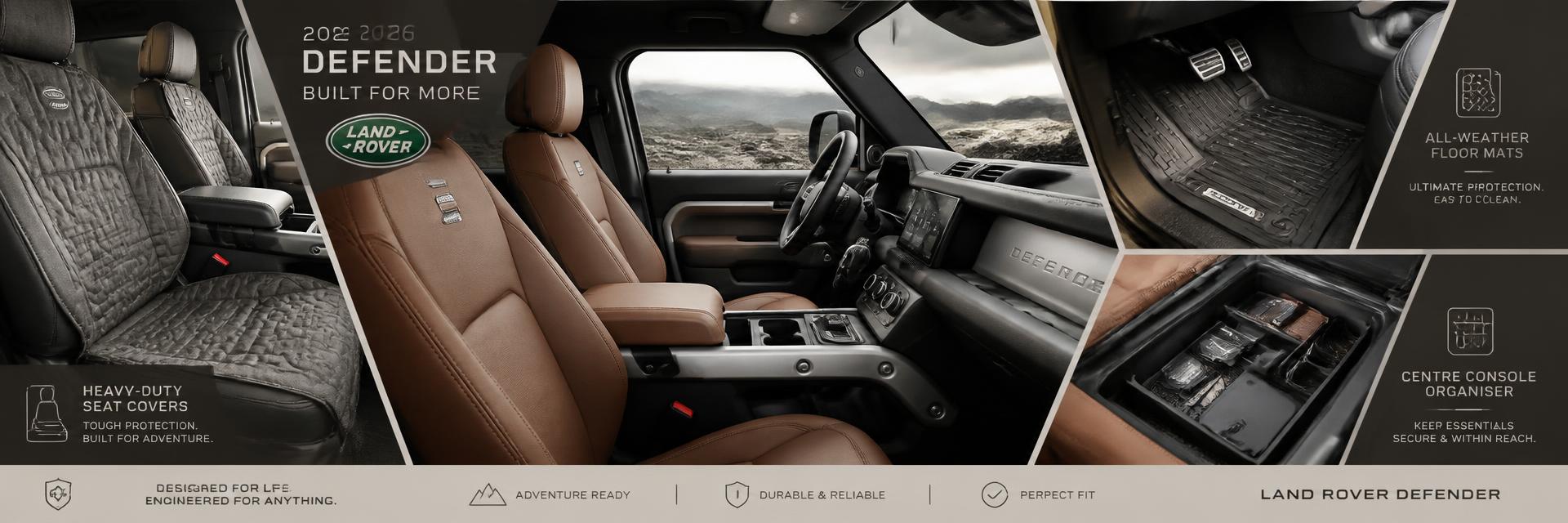
Keeping a Defender Interior Worth Owning After Ten Years
Interior accessories are routinely dismissed as cosmetic, which badly misreads how these vehicles are used and how they lose value. The mechanical parts of a Defender are engineered to last a very long time; the cabin is what gradually turns a good vehicle into a slightly embarrassing one. Water in the carpet, a worn outer bolster, a scratched loadspace lip and a centre console full of loose grit are all completely preventable with a few hundred pounds of well-chosen, correctly fitted protection. This article covers the specific ways a Defender cabin degrades, what to fit against each, the one specification you must never compromise on, and how it all reads at resale time.
Read the full article →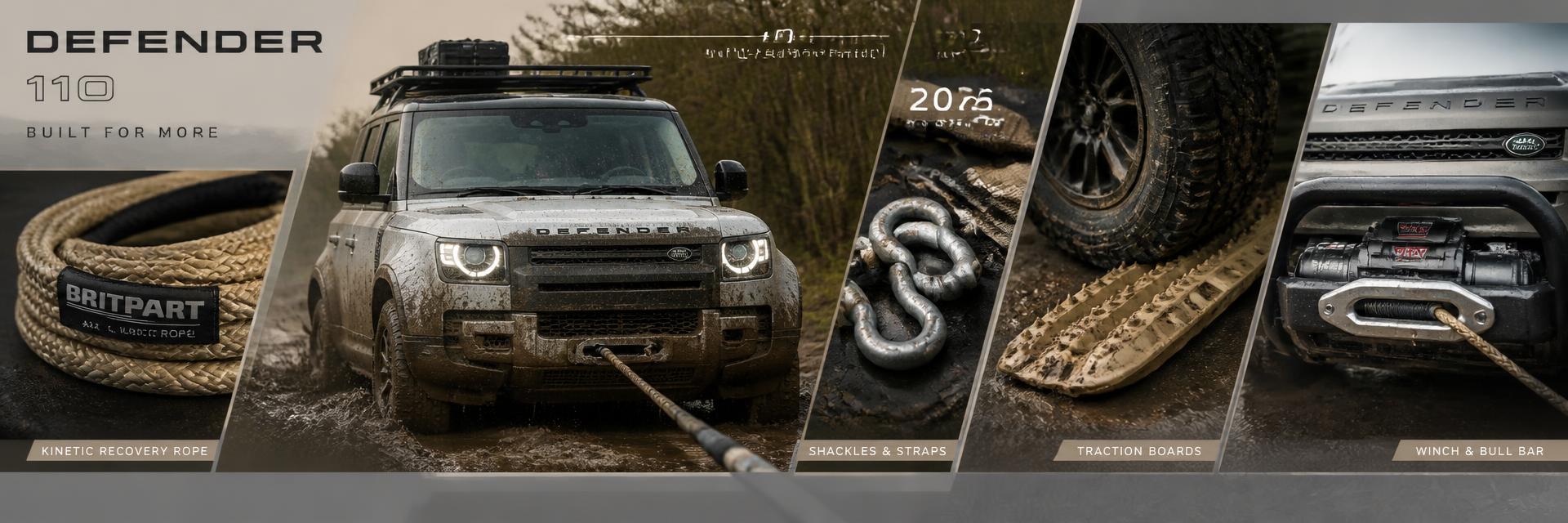
Defender Recovery Gear: What to Carry and What to Leave Behind
Recovery equipment is sold on anxiety, and anxiety buys badly. The result is a great many Defenders carrying thirty kilograms of gear that will never be used, missing the two or three items that would actually have resolved the situation, and equipped with recovery points that are decorative rather than rated. This article takes the opposite approach: it starts from what actually strands a Defender, works out what resolves each of those situations, and builds the kit from there. It also covers the safety practices that matter, because recovery is the one area of vehicle modification where getting it wrong injures people rather than merely costing money.
Read the full article →