A NEW Defender UTE Built for Australia: The 130 Pickup Question
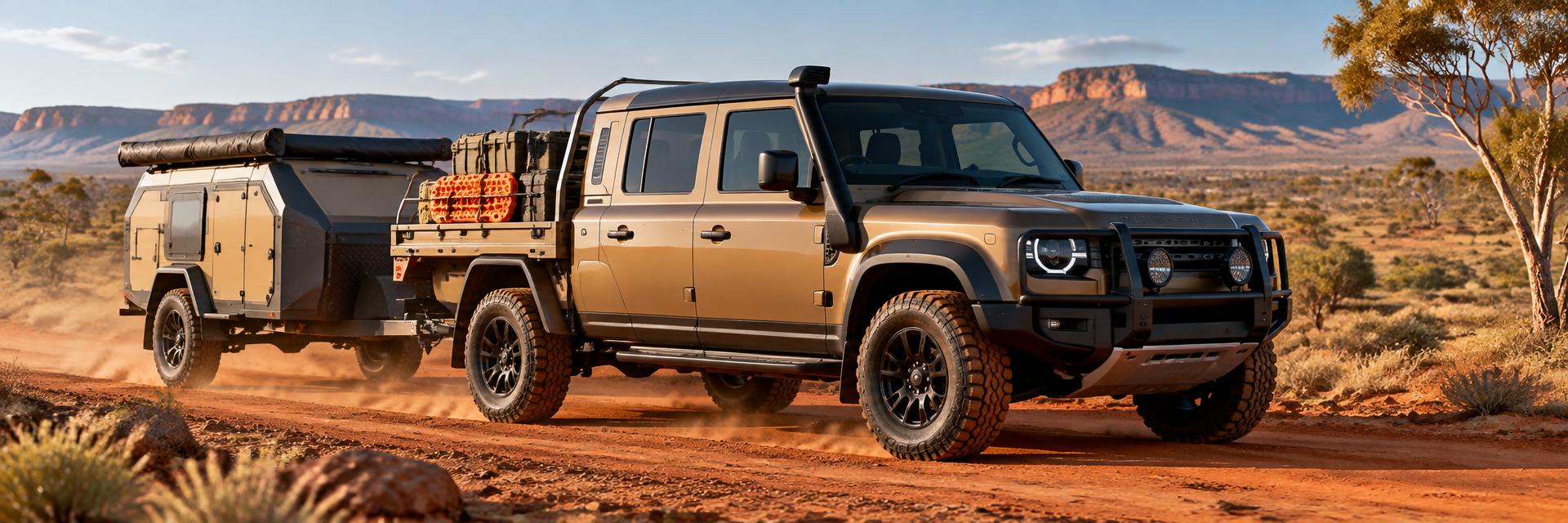
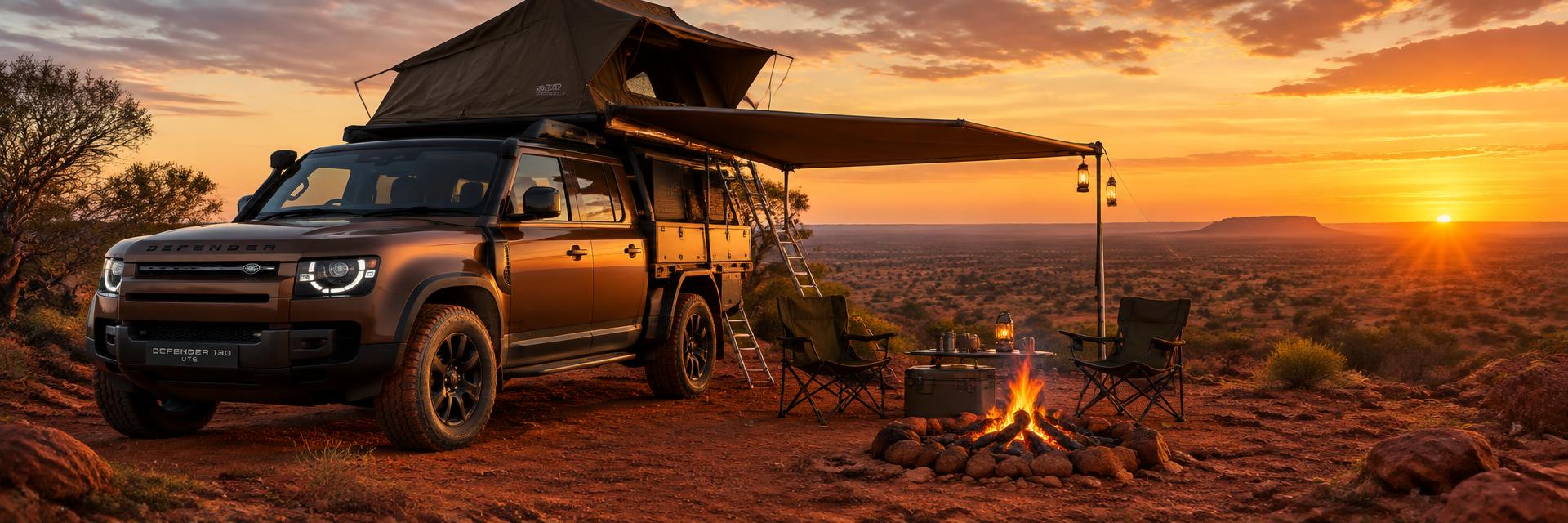
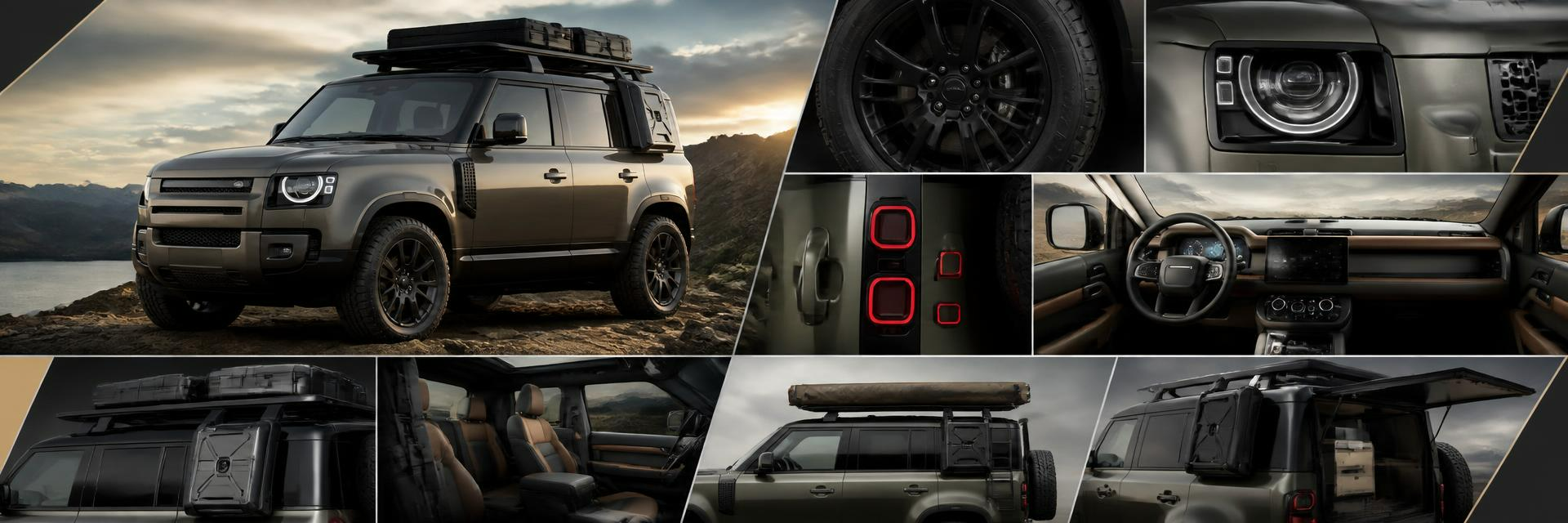
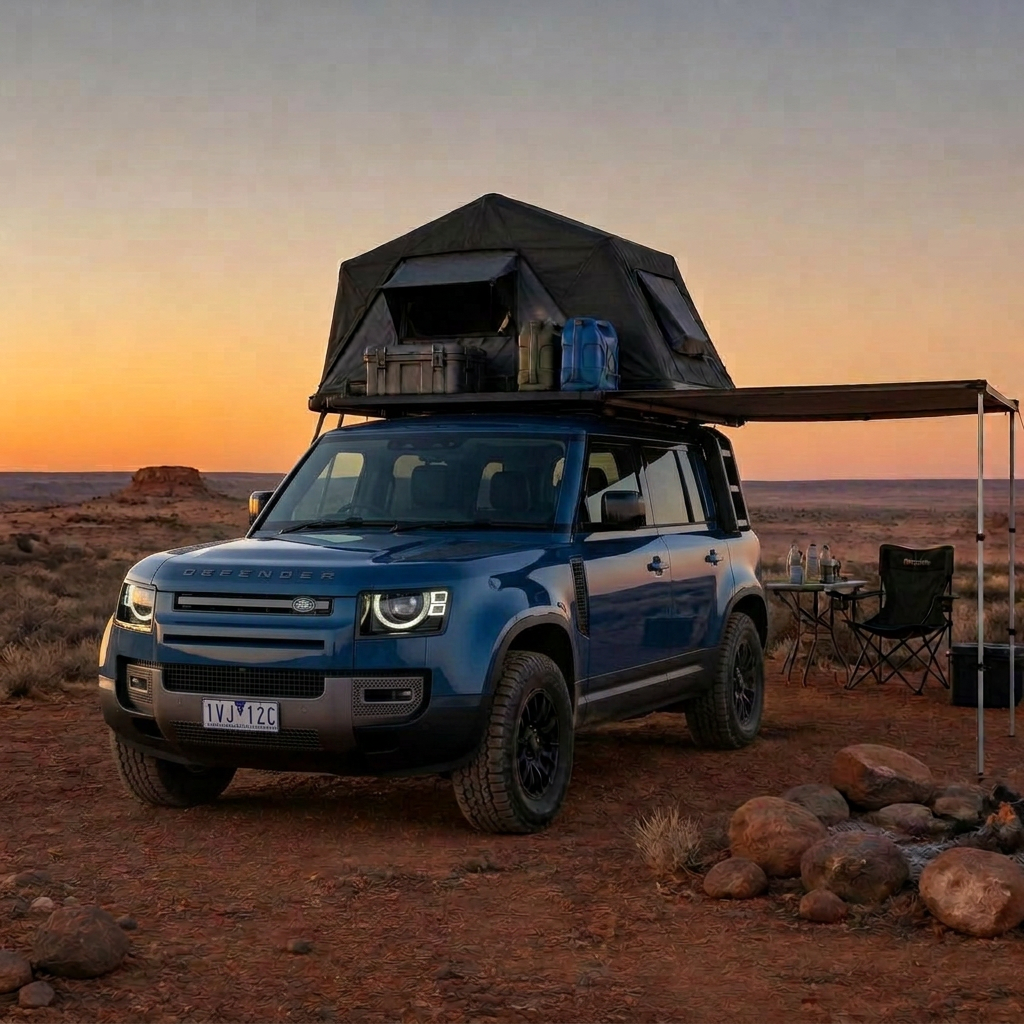
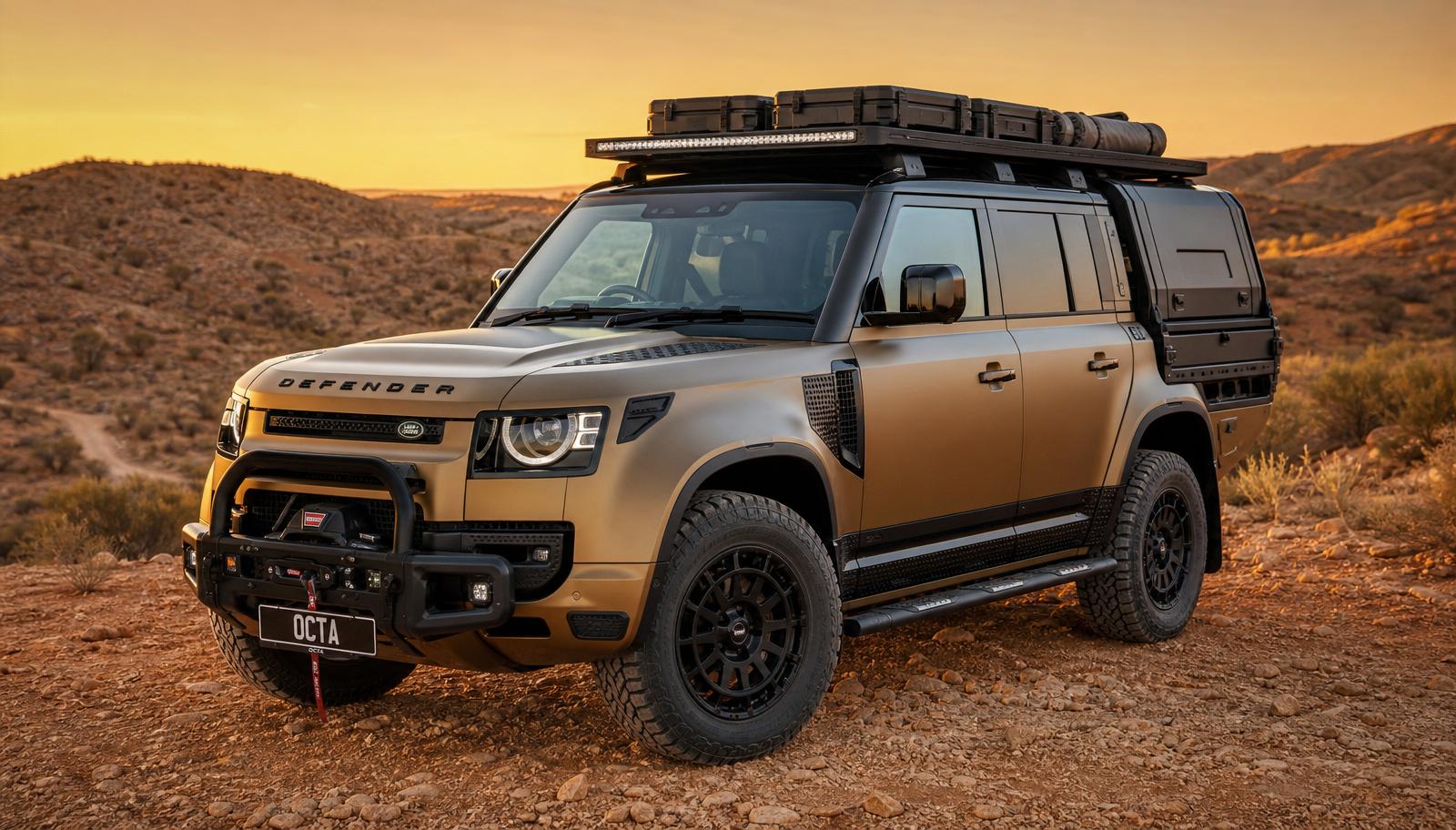
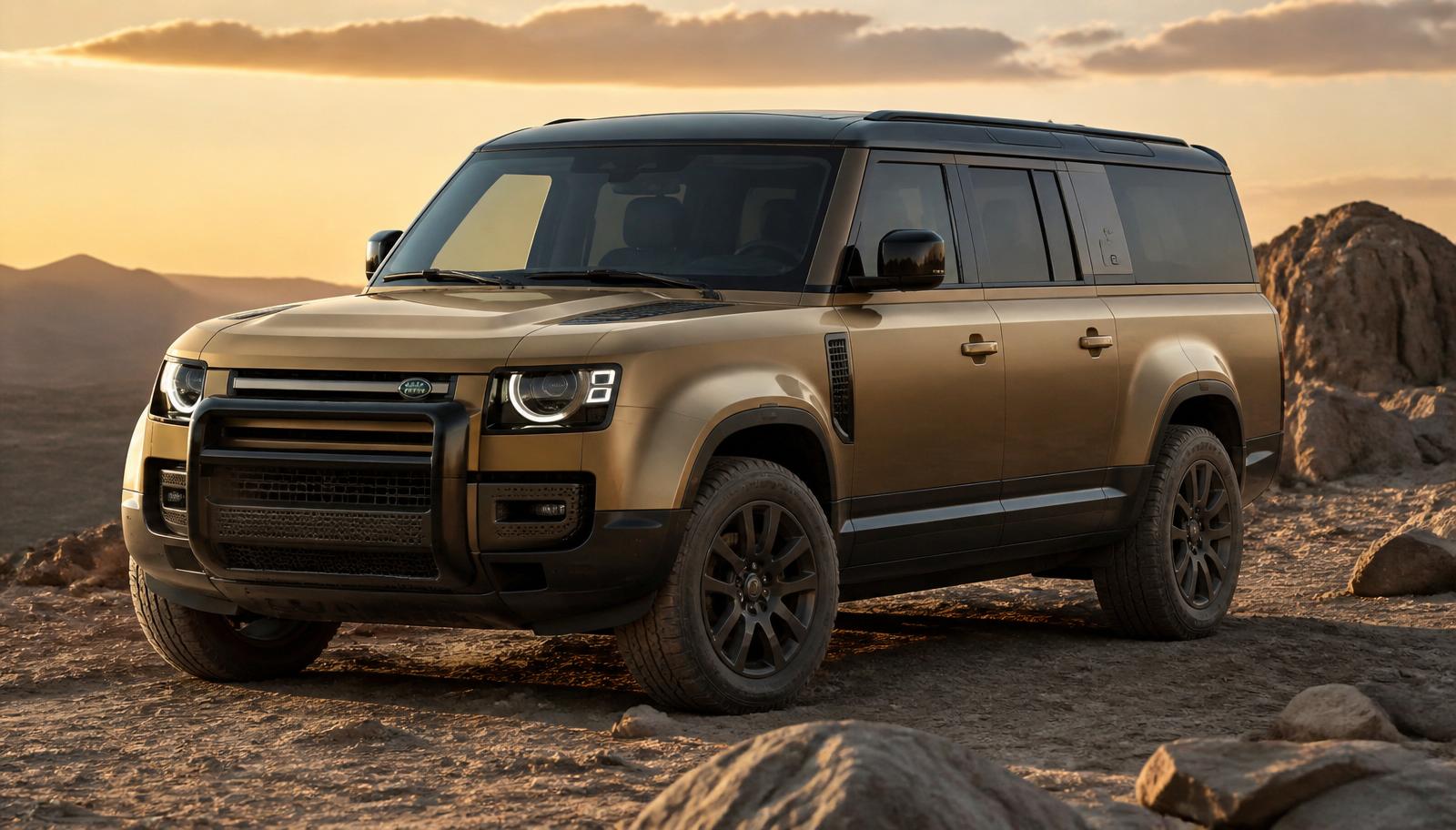
Australia may be the hardest place to fake a UTE. A vehicle can look adventurous in a launch photograph, but owners will quickly ask what it carries, what it tows, how it behaves on corrugations, where the spare lives and whether a canopy can be mounted without fighting the electronics. That makes Australia a useful test of the whole Defender pickup idea. A 130-length dual cab could bring Defender comfort, terrain technology and design to a format Australian buyers already understand, but only if the tray, payload and accessory ecosystem are treated as engineering priorities. This article is a market and design analysis, not confirmation that Defender has approved an Australian model. The bronze touring vehicle pictured is an independent concept visual.
Why the 130 is the natural starting point
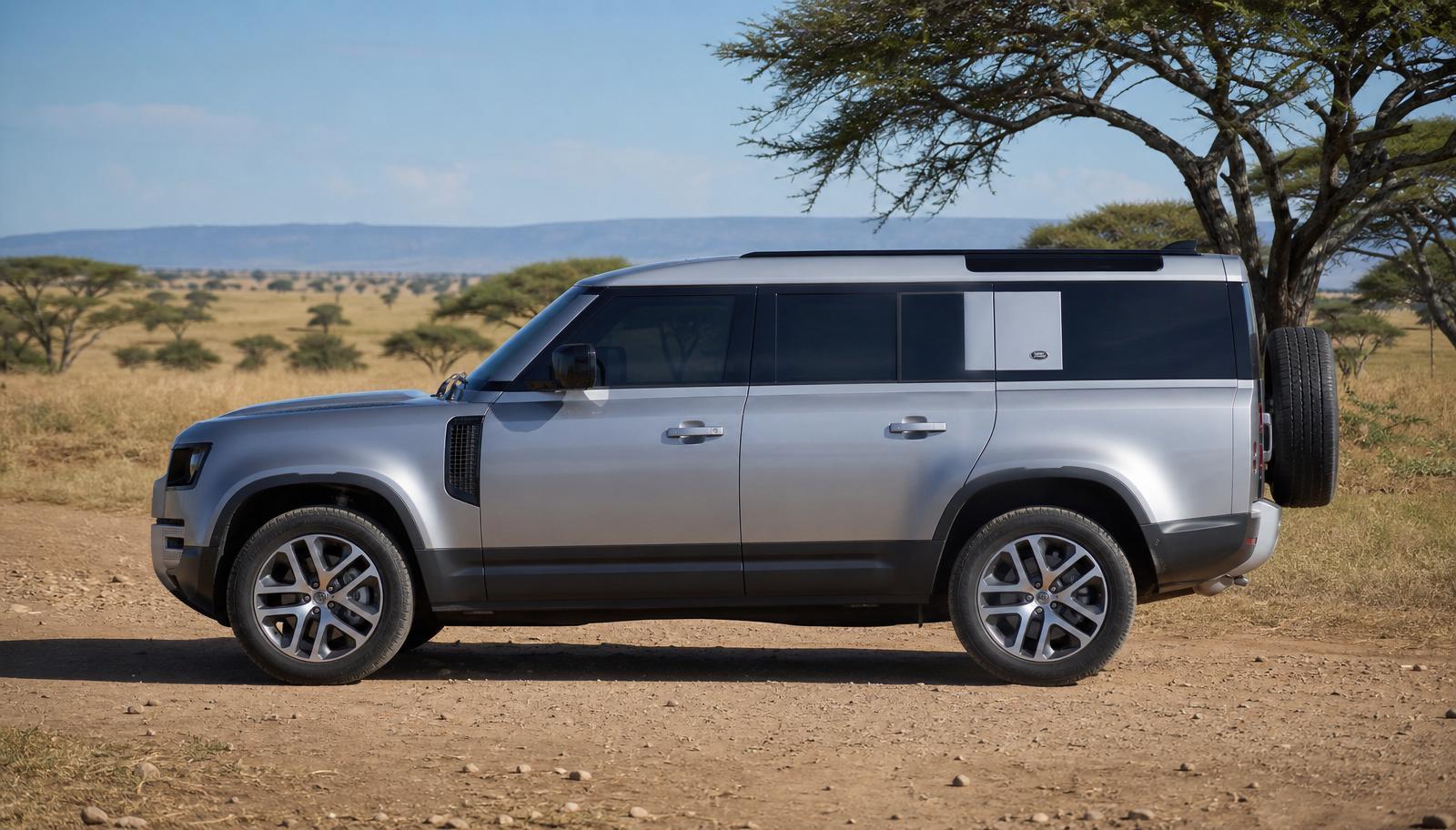
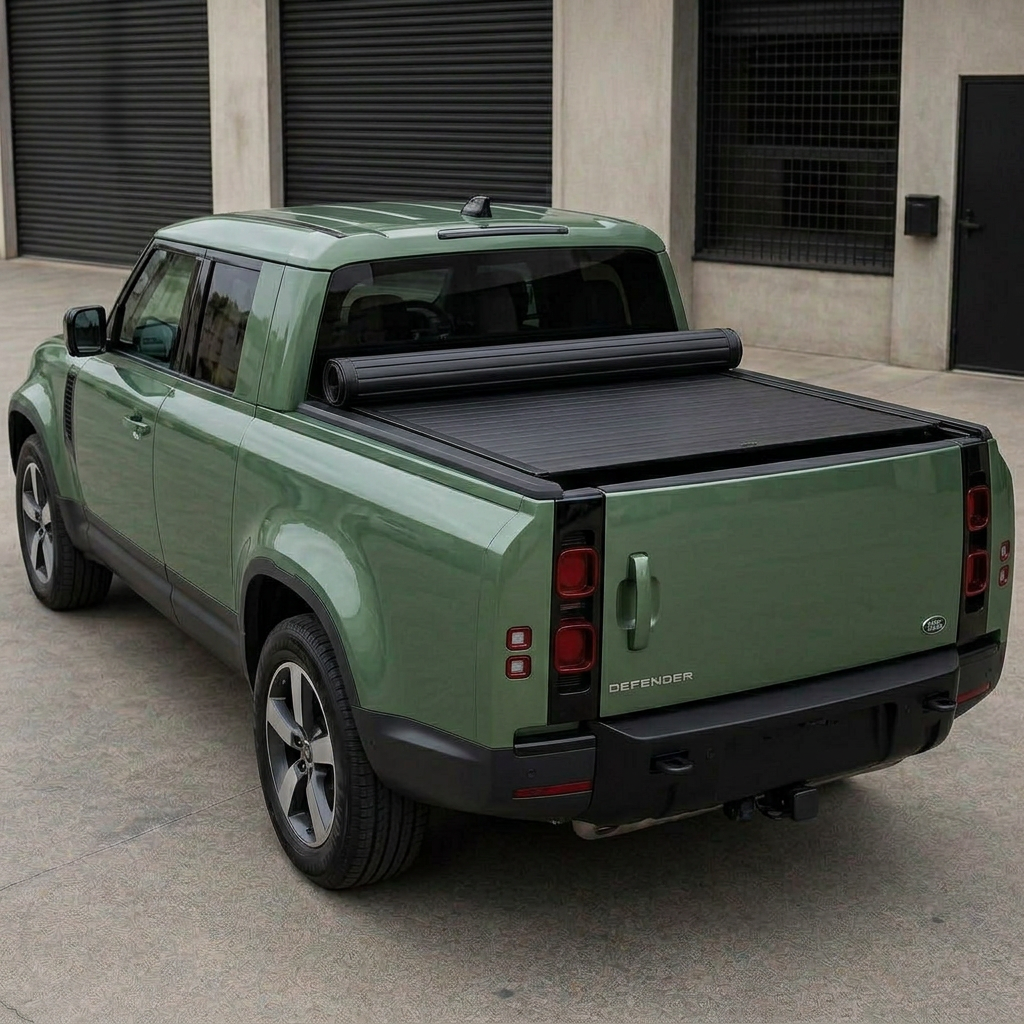
The Defender 130 already provides the length and visual mass needed to imagine a dual-cab pickup without sacrificing the rear seats or creating a token load bed. Its long body suggests where a cab could finish and a separate tray could begin, while the established 110 could remain the more compact wagon. In concept terms, the 130 name also carries useful heritage because classic 130s were frequently configured for commercial and specialist bodies.
That does not mean a production UTE could simply be made by removing the rear roof of a 130 wagon. The load paths, rear body structure, sealing, crash performance, suspension calibration and spare-wheel position would all need dedicated engineering. It does mean that the proportions already feel credible to buyers, which is valuable in a segment where an awkward relationship between cab and tray can make a premium pickup look like an aftermarket conversion.
The Australian buyer is several buyers at once
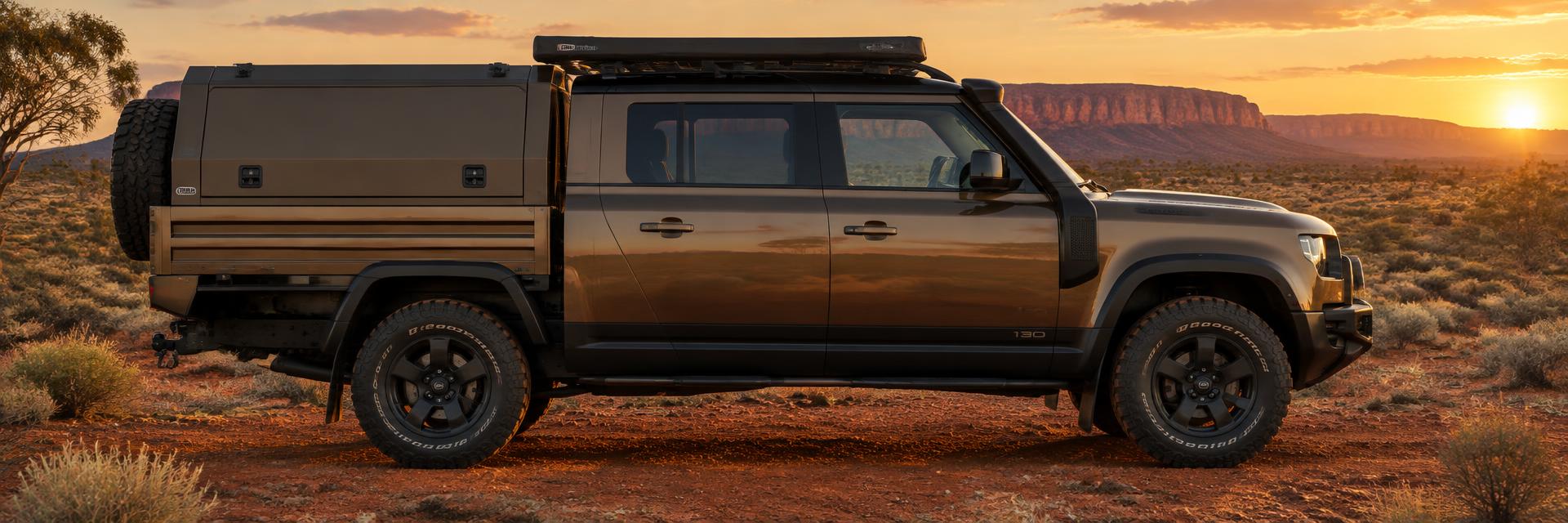
The local UTE market covers trades, agriculture, mining support, family transport, towing and recreational touring, often in the same vehicle. A premium Defender derivative would not need to beat the volume leaders at every task, but it would need an honest purpose. Its strongest territory could be owners who want a comfortable daily vehicle and tow rig with a separate, washable cargo space for bikes, dogs, tools or camp equipment.
There is also a smaller but visible market for high-performance and luxury pickups. An expensive Defender UTE could compete there on refinement and design, but Australian credibility comes from the specification below the leather: full-size spare, useful tyre sidewall, cooling capacity, dust sealing, recovery points and an electrical system prepared for accessories. Luxury cannot substitute for those fundamentals.
Payload is where the promise succeeds or fails
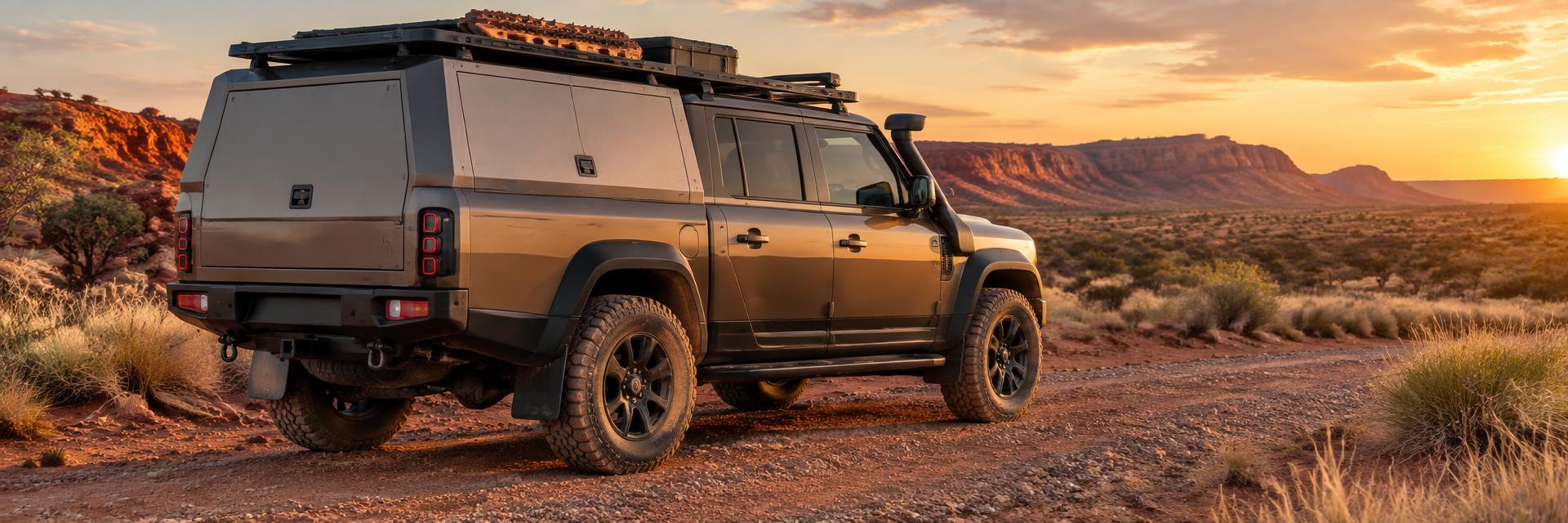
A touring build consumes payload rapidly. Add a steel bar, winch, underbody protection, drawers, canopy, auxiliary battery, fridge, water, recovery equipment, passengers and towball download, and a generous brochure number can disappear. A Defender UTE would need a published payload that survives real option selection, along with front and rear axle ratings that suit the way Australians load vehicles.
Self-levelling air suspension can keep the body sitting correctly under load, but it cannot change the legal axle or vehicle mass. If air suspension is retained, the owner should be able to see useful load information and know when the rear axle is approaching its limit. A heavier-duty commercial specification could make more sense than asking one luxury tune to cover every use.
Towing beyond the headline number
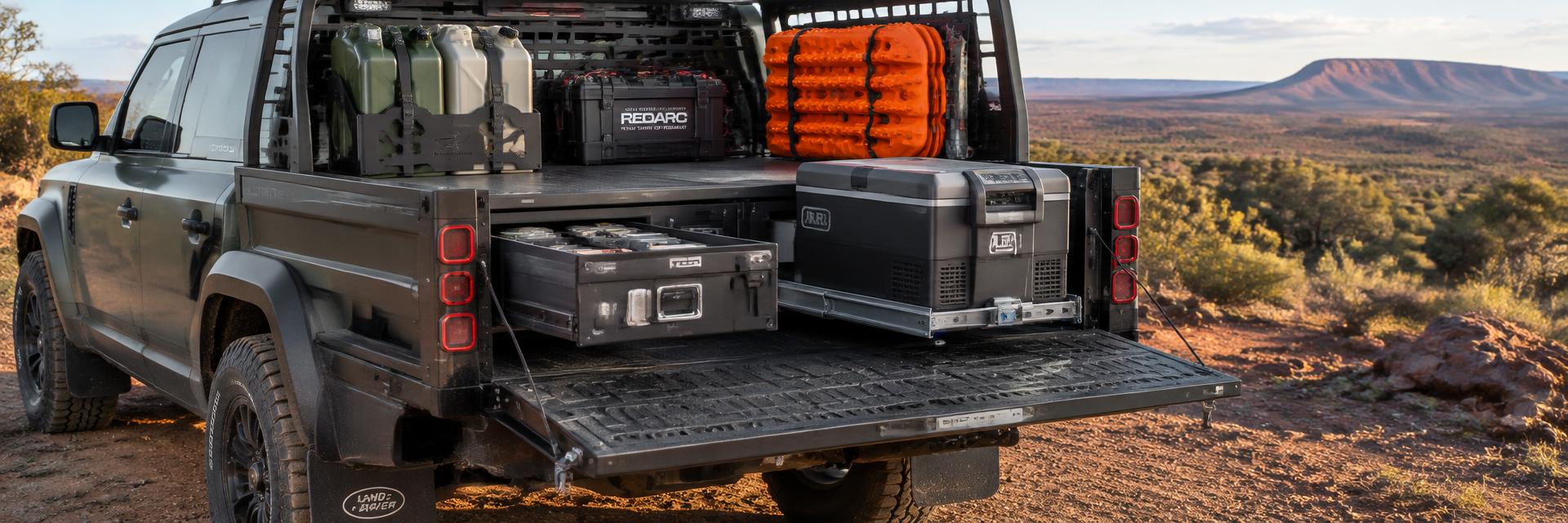
Australian buyers will immediately ask whether a Defender UTE can tow 3.5 tonnes. The more important questions are what vehicle payload remains at that trailer mass, the permitted towball download, gross combination mass, cooling performance in high ambient temperatures and how much fuel or battery range remains when the vehicle is working hard into a headwind.
The Defender's existing trailer cameras, stability systems and air-suspension levelling could give a pickup a sophisticated base. A UTE-specific package should add integrated trailer brake control where required, clear coupling-camera views, accessible electrical connections and mirrors suited to wide trailers. The best tow vehicle is not the one with the largest badge number; it is the one whose limits can be understood and used together.
A tray designed around Australian accessories
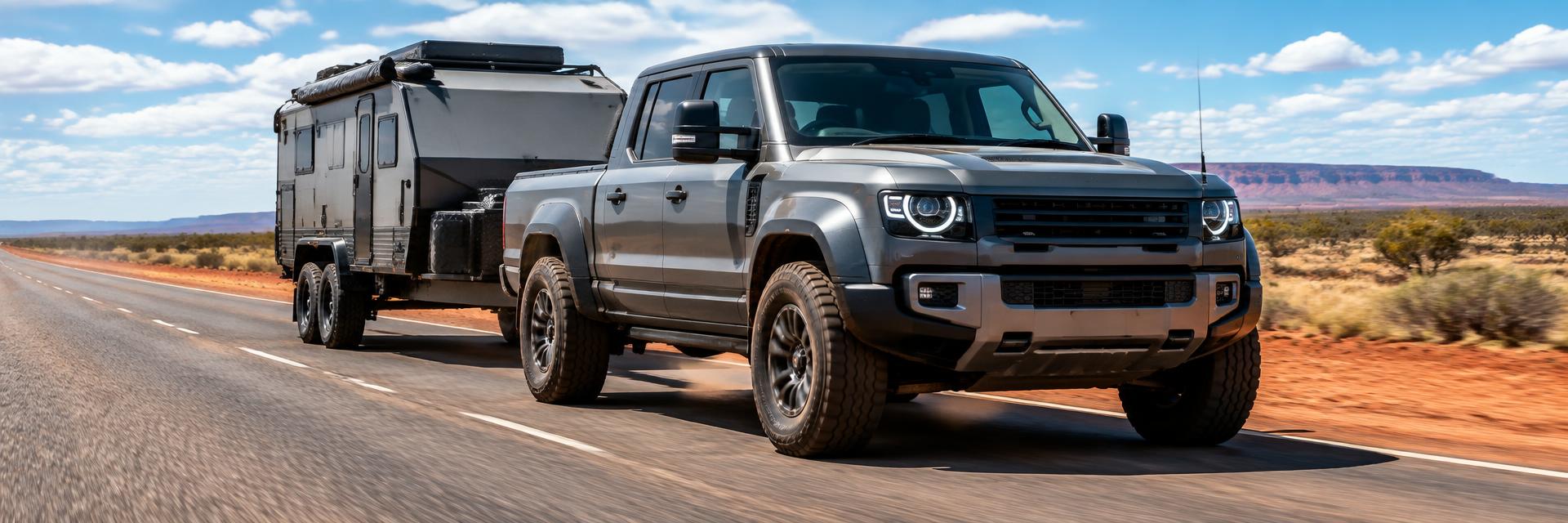
A localised UTE should arrive ready for the equipment owners actually fit. That means mounting provisions for a tub rack or canopy, a protected auxiliary-power feed at the rear, work lighting, tie-down rails, drainage and enough clearance around cameras and radar systems that accessories do not disable factory safety features. An accessory should bolt to a documented point, not require a workshop to guess what lies behind a panel.
A cab-chassis option would unlock the broadest range of aluminium trays, service bodies and expedition canopies. If only a pickup tub is offered, its upper rails should accept modular racks and its tailgate should be usable as a work surface. The spare wheel could move under the tray or onto a swing-away carrier, but either solution must remain accessible when the vehicle is loaded and towing.
Corrugations, dust, water and distance
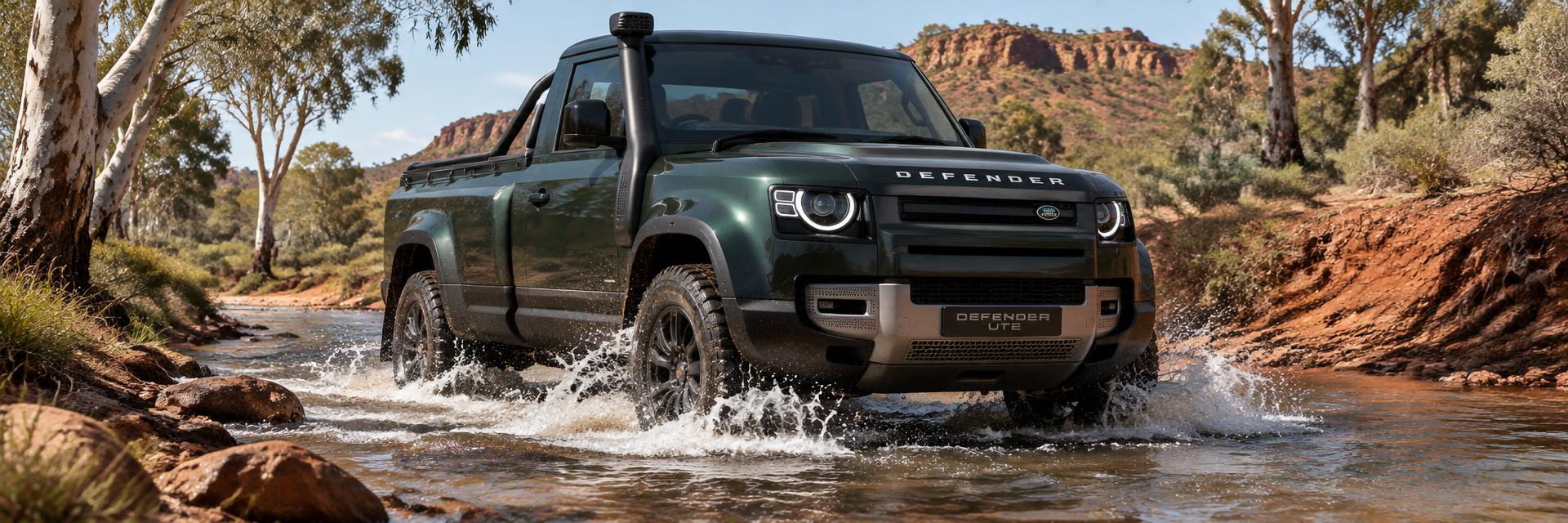
Australian touring exposes weaknesses that a short off-road launch does not: hundreds of kilometres of vibration, fine dust entering every seal, high under-bonnet temperatures and large distances between support. Fasteners, tray mounts, roof racks and electrical connectors need validation for that environment. A beautiful bed rail that loosens on corrugations is not a premium feature.
The vehicle would also need a practical filtration and cooling package, sensible wheel sizes, durable underbody protection and recovery points usable in mud. Wading ability attracts attention, but dust management and tyre availability solve more real journeys. Remote owners will judge parts supply and diagnostic support alongside mechanical capability.
The powertrain decision
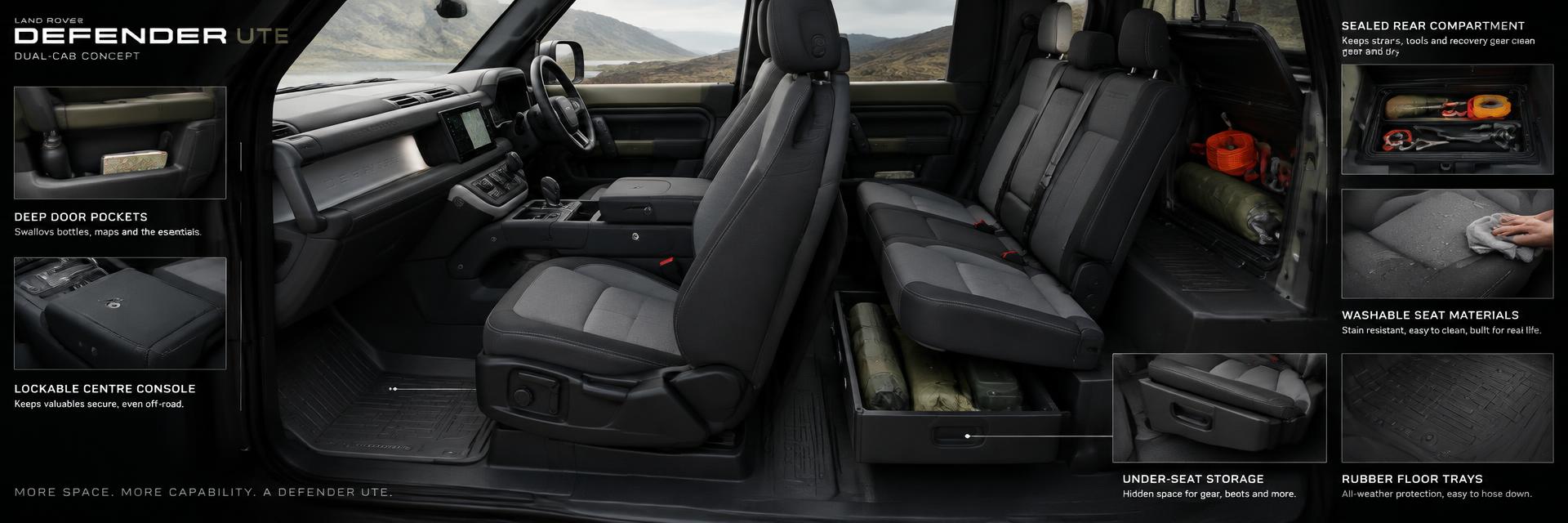
Diesel remains attractive for range and towing in remote Australia, while petrol performance could suit a flagship model. Electrified options bring strong low-speed control and the possibility of useful onboard power, but they must be judged with a loaded tray and trailer rather than an urban commute. No civilian UTE engine range has been confirmed, so assigning a particular existing Defender powertrain would be premature.
What matters is the system outcome: reliable range under load, thermal headroom, accessible refuelling or charging, and electrical capacity for a fridge, lights and communications without compromising the starting battery. A factory inverter or high-output accessory circuit could become one of the model's defining advantages if engineered properly.
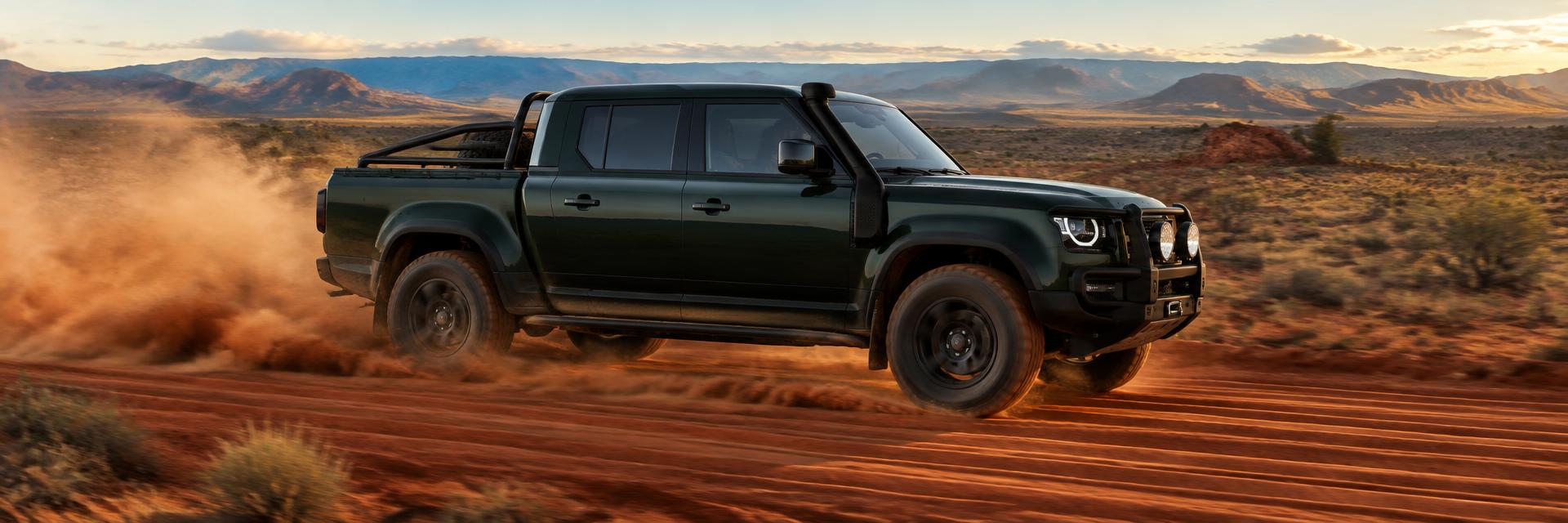
Would Australia actually receive it?
The reported civilian pickup study has been described primarily as a North American opportunity. Right-hand-drive production and Australian sales remain unconfirmed. A US manufacturing plan may favour dimensions and specifications shaped around that market, and the investment required for another steering configuration must be justified by export demand.
Yet Australia, New Zealand, South Africa and the United Kingdom give a right-hand-drive Defender UTE a coherent audience, especially if one programme can serve lifestyle and specialist customers. The case is plausible, not settled. If Defender asks the Australian question seriously, the answer will depend less on whether the vehicle looks spectacular and more on whether its payload, tray and long-distance engineering are as authentic as the badge.