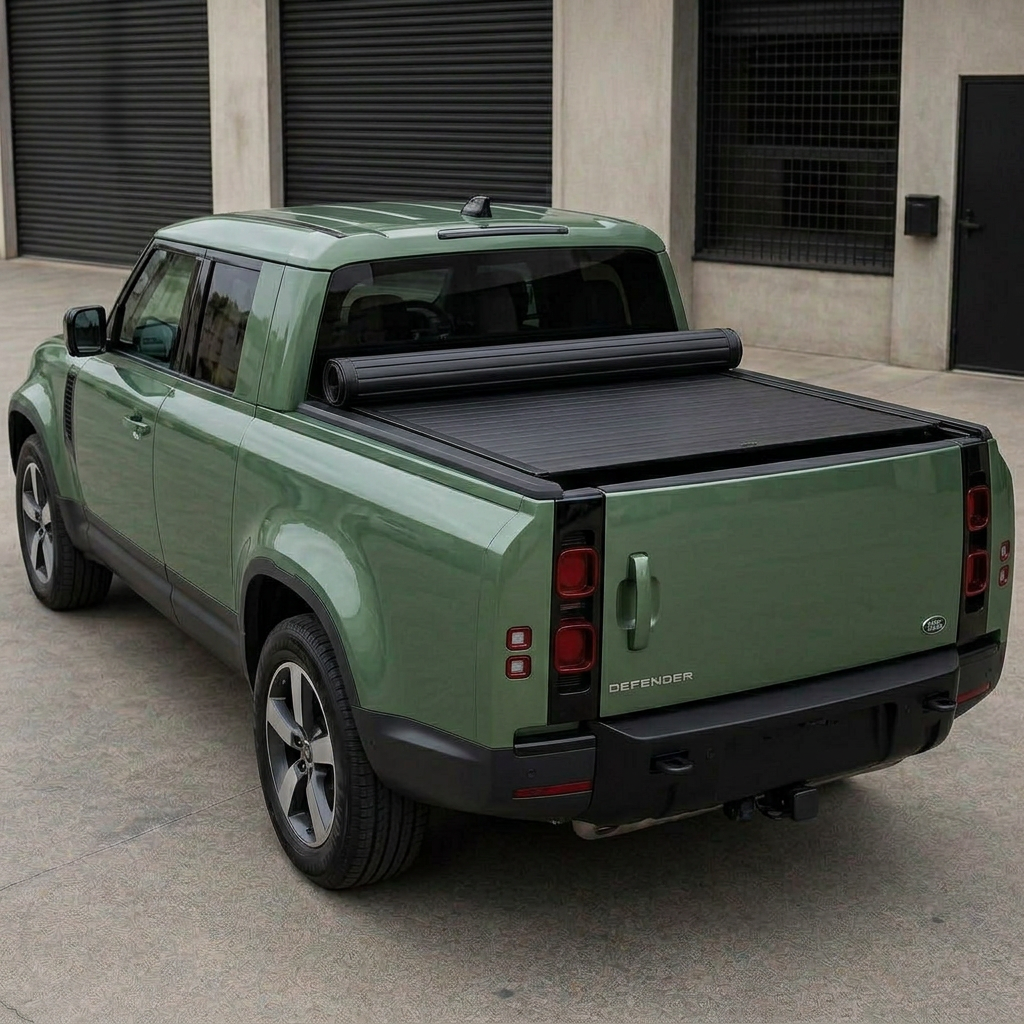
NEW DEFENDER UTE Designs and Concepts
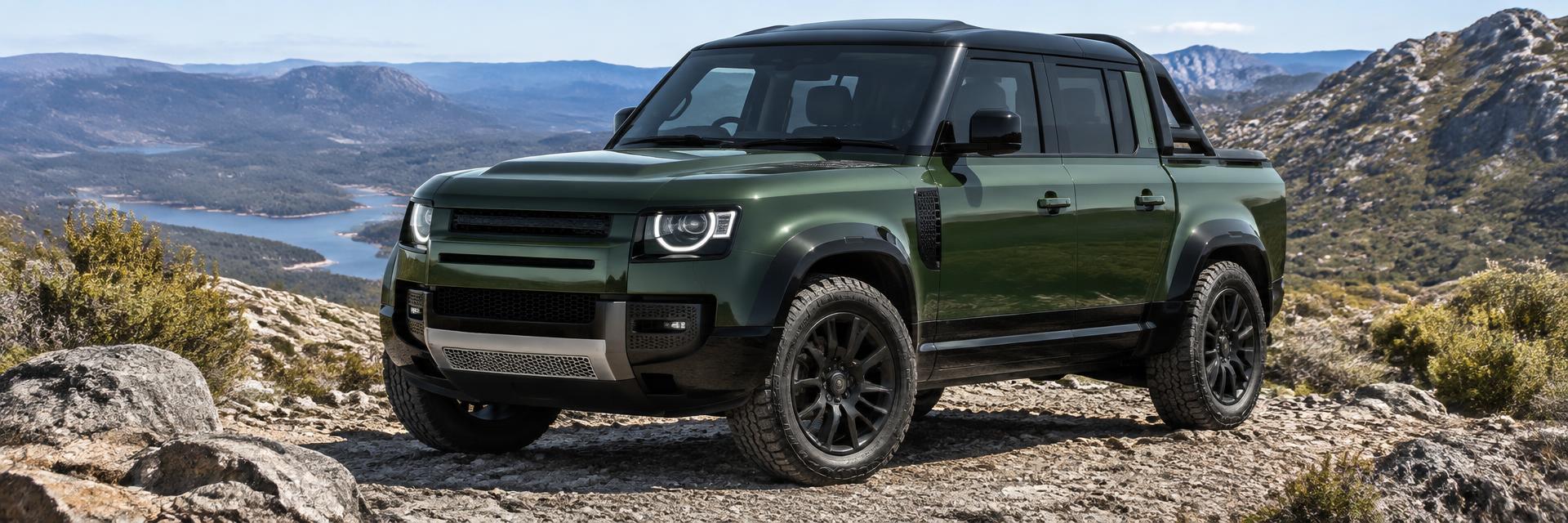
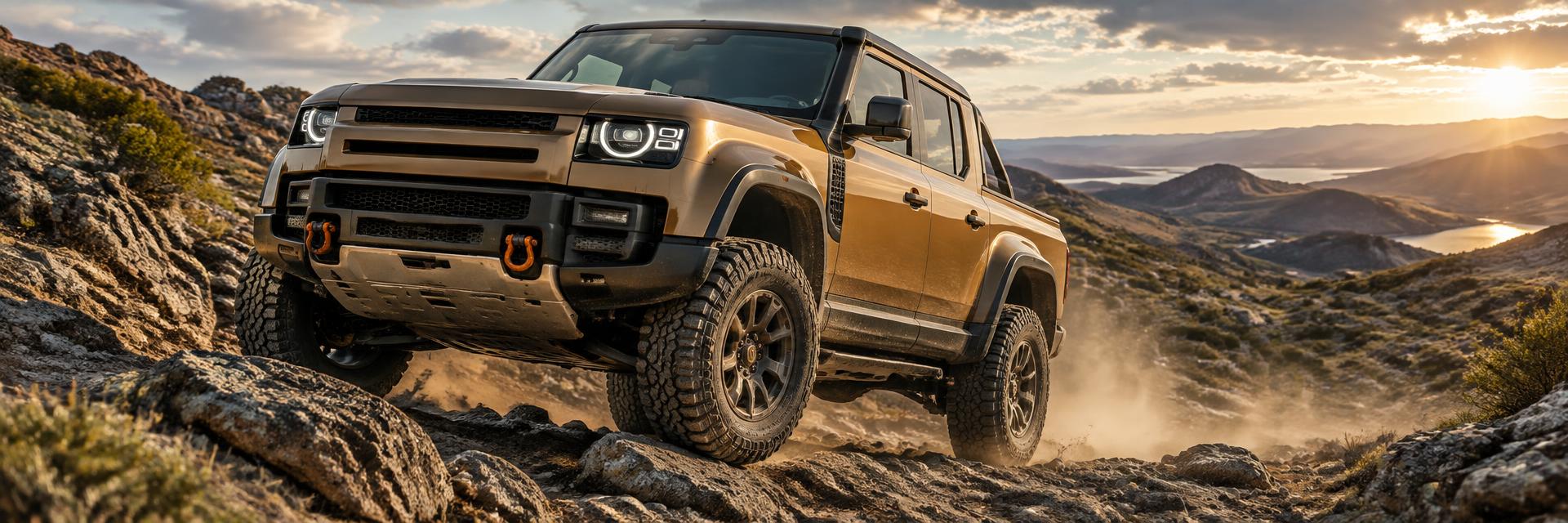
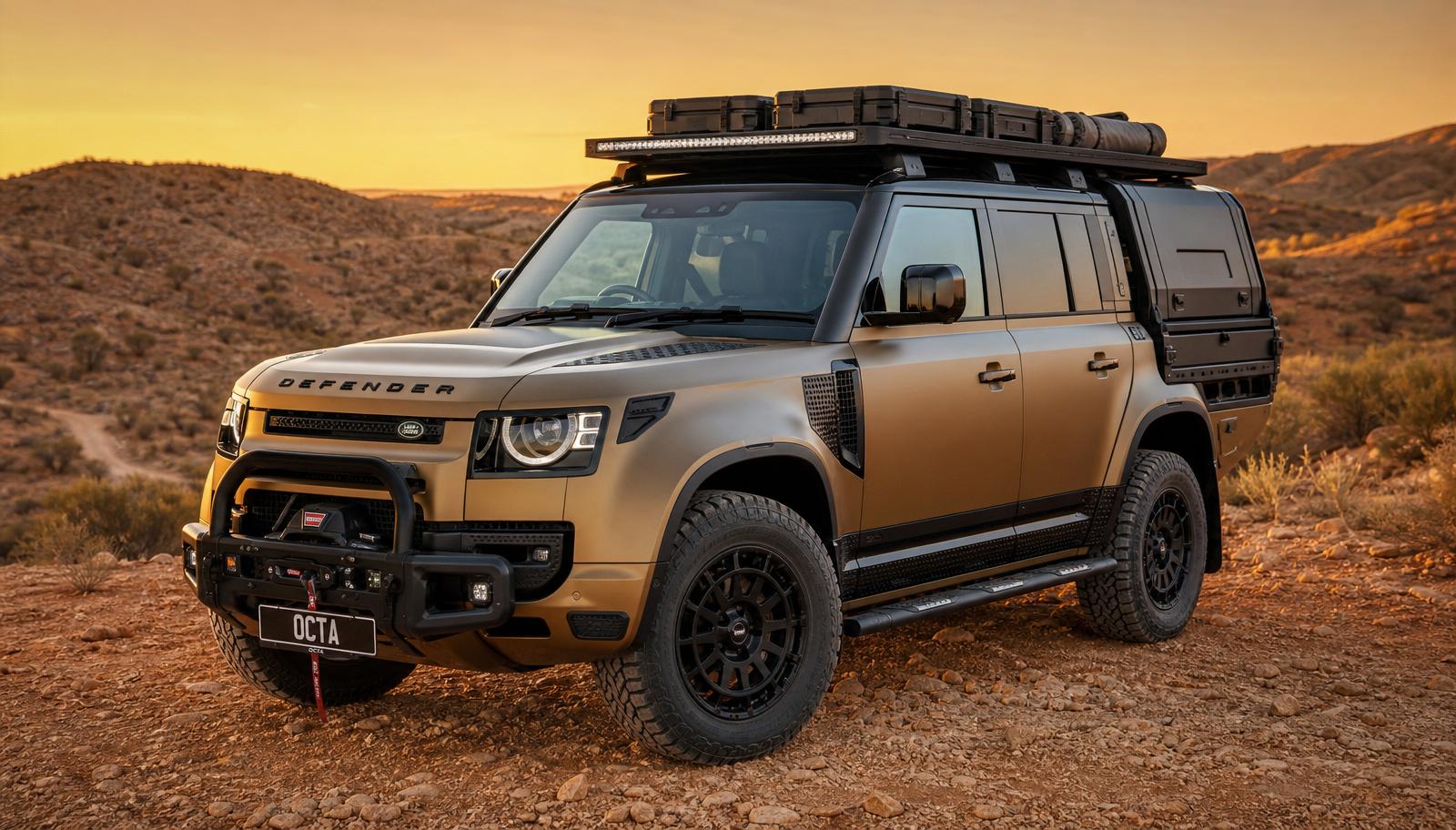
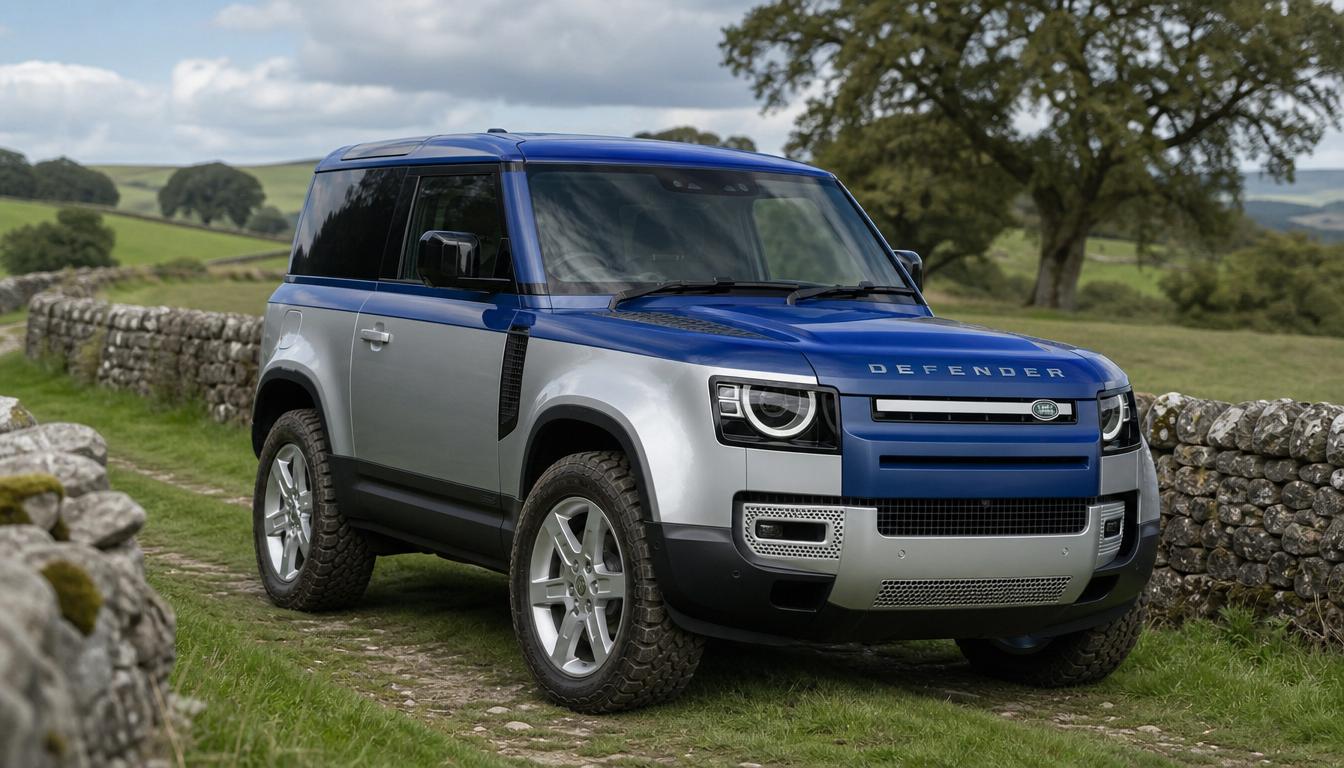
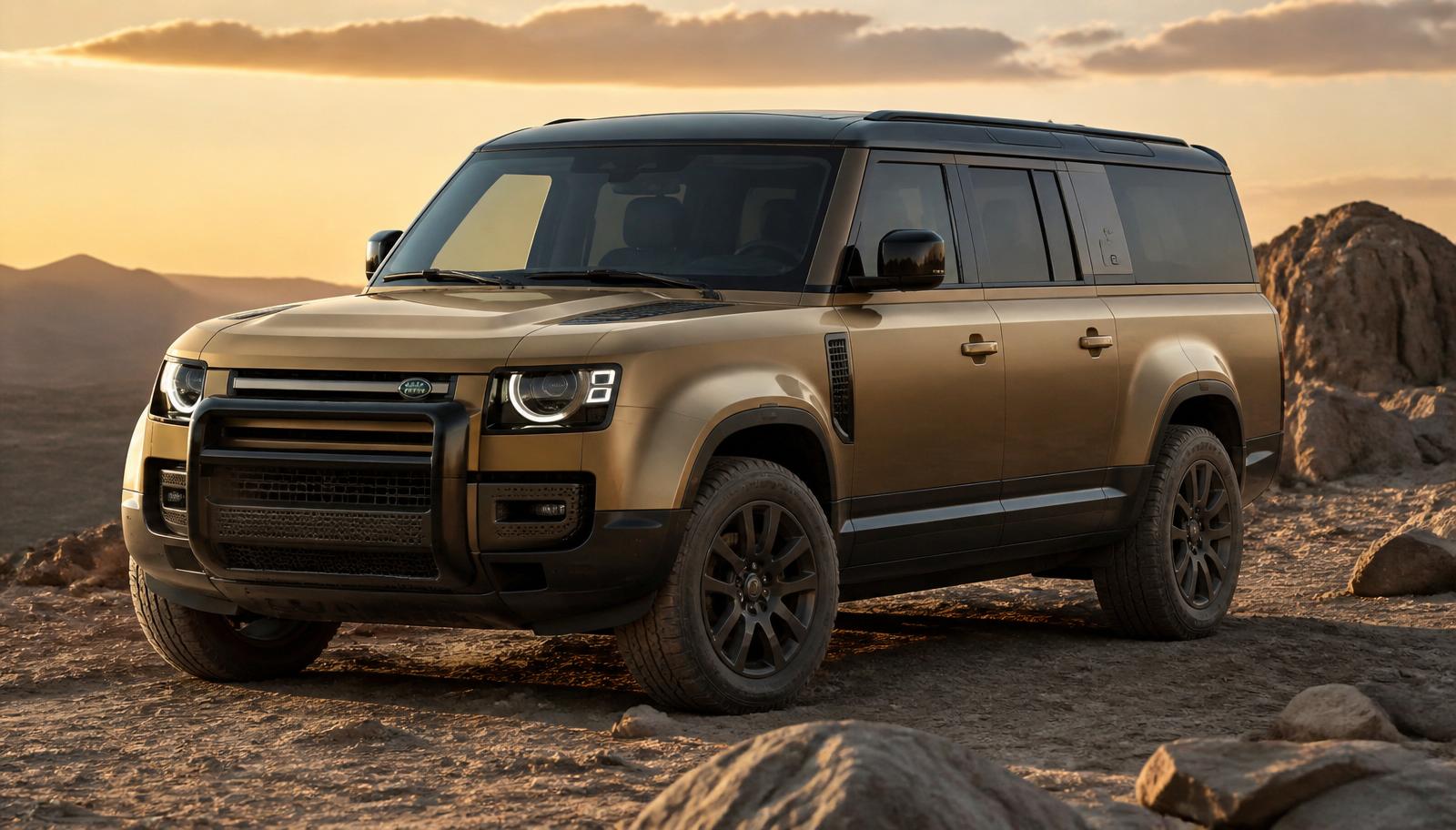
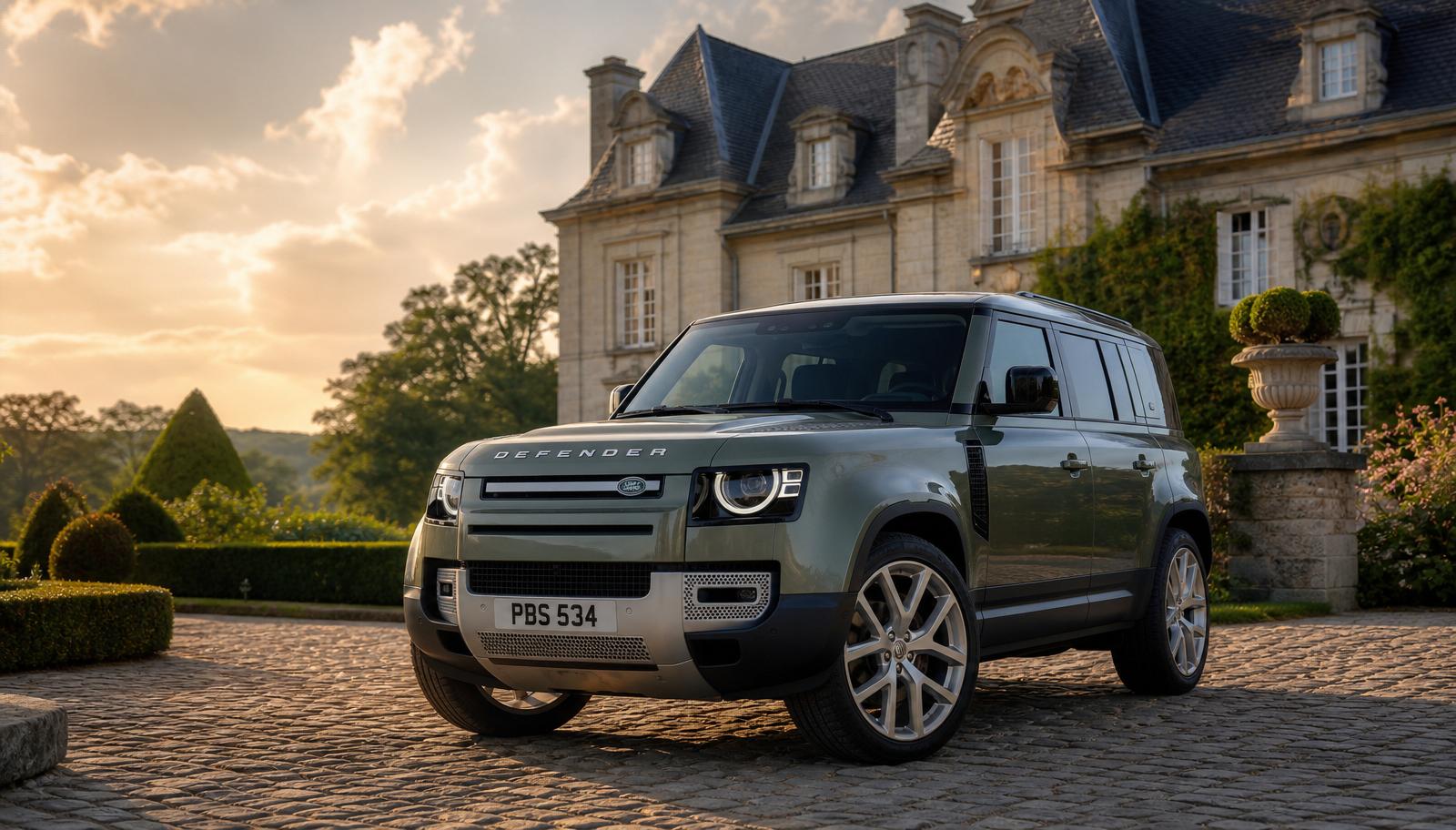
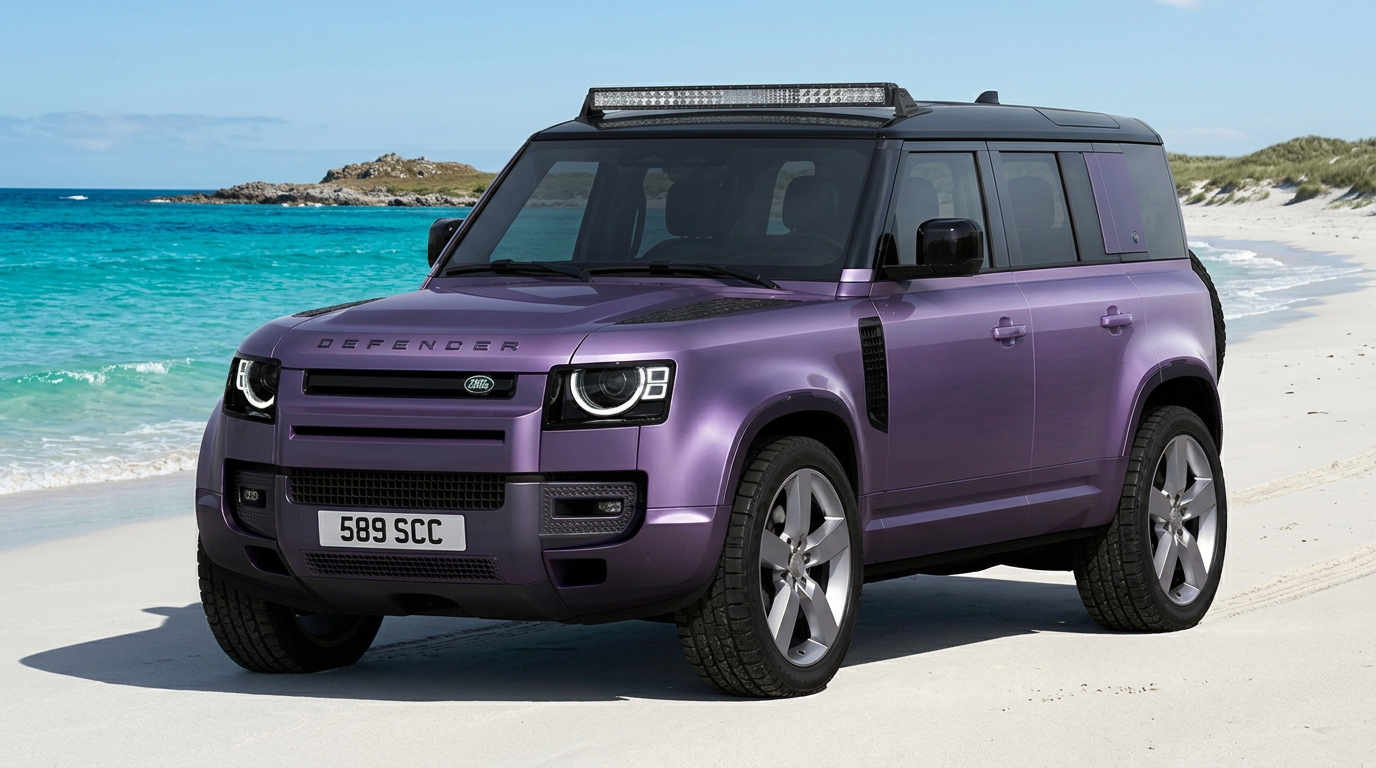
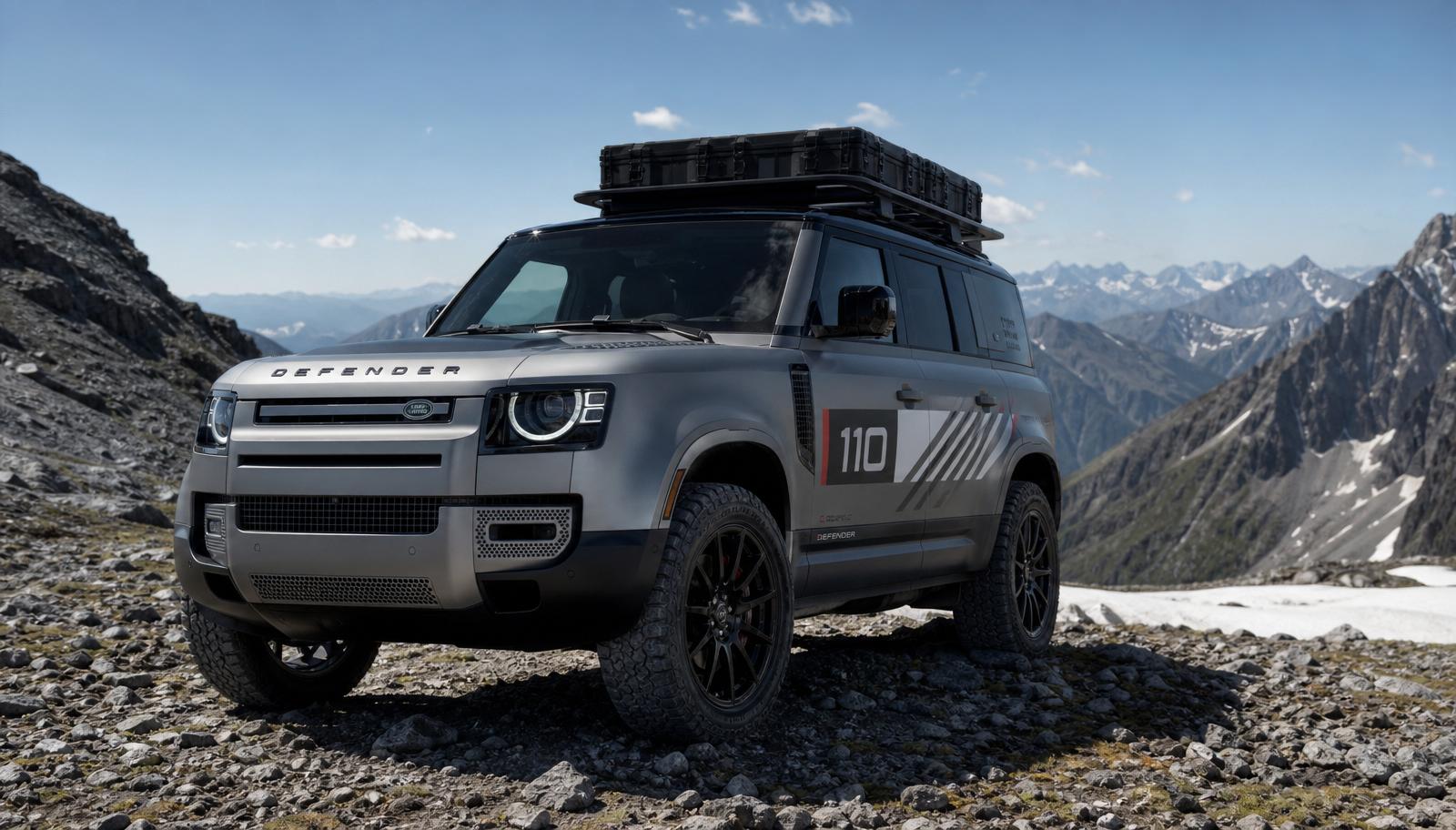
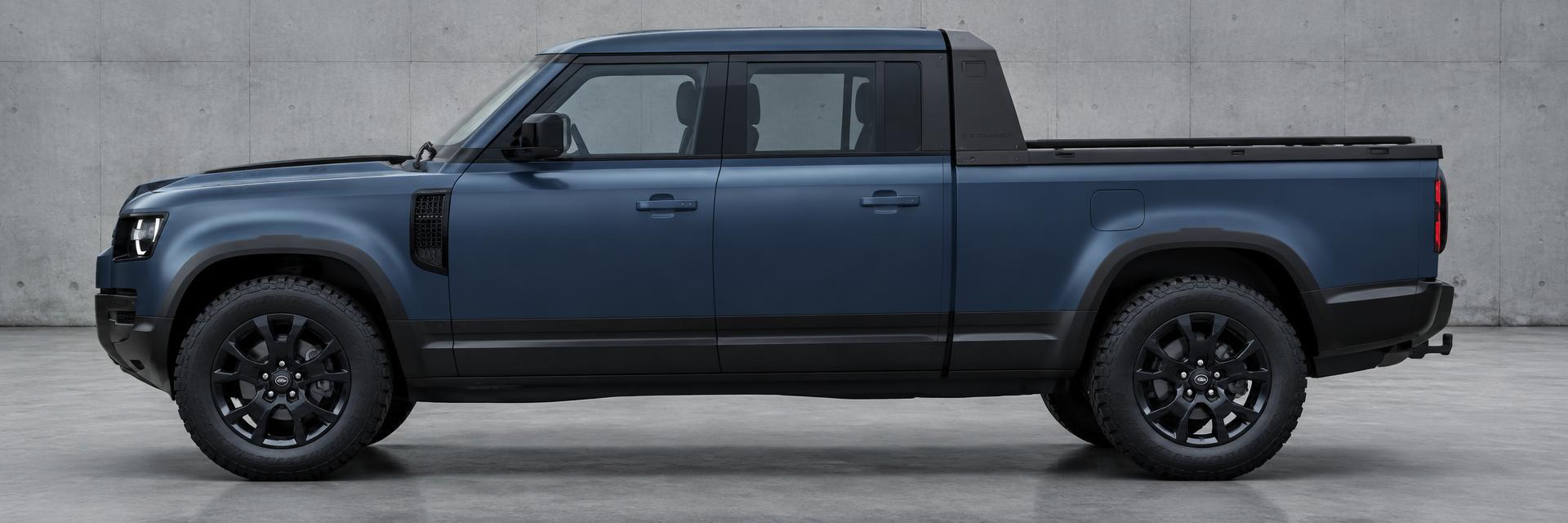
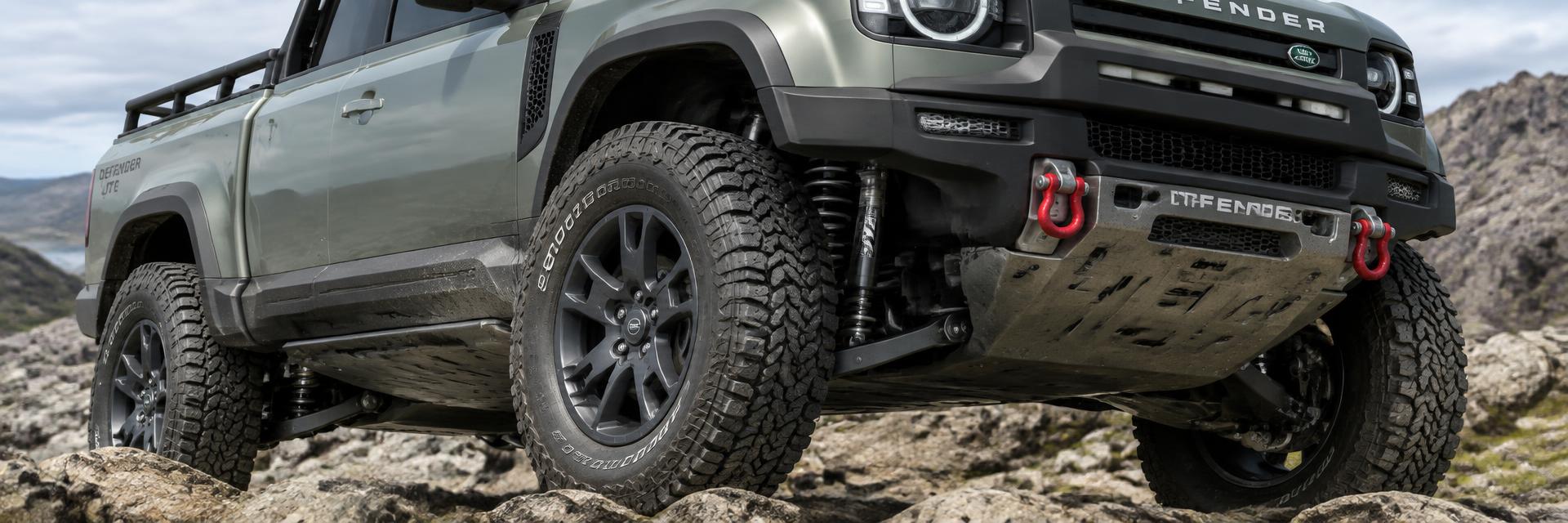
A modern Defender UTE is no longer difficult to imagine. In September 2026, Defender revealed the military Wolf Series II Utility Vehicle, proving that a current-generation Defender can wear a genuine pickup body. Separately, credible reports say JLR and Stellantis are exploring a civilian Defender-badged pickup for North America. Neither development gives us a confirmed showroom model, specification or release date, but together they create the clearest clues yet. This concept study reads those clues carefully: what the proportions could look like, which Defender design signatures should remain, how a useful tray might be packaged, and which features would make the difference between a fashionable conversion and a genuinely capable NEW Defender UTE. The vehicle pictured is an independent concept visual, not an official Land Rover image.
The design challenge: unmistakably Defender, unmistakably a UTE
The current Defender is recognised by a handful of strong shapes: the upright windscreen, short front overhang, squared wheel openings, floating roof treatment, vertical rear surfaces and a body that looks substantial without relying on decorative aggression. A successful UTE would need to preserve that visual grammar ahead of the rear doors, then resolve the cabin and tray as one coherent design rather than looking like a wagon whose roof was cut away.
That means the roof should finish decisively behind the second row, probably with a strong black cant-rail or structural sail panel linking the cab to the tray shoulders. The load bed should sit level with the existing beltline, while the rear wheel arch needs enough separation from the cab to make the tray look usable. A short decorative bed would create a lifestyle statement; a longer, simpler bed would make the vehicle credible to touring owners and trades. The strongest concept would balance both.
What the Wolf Series II Utility Vehicle tells us
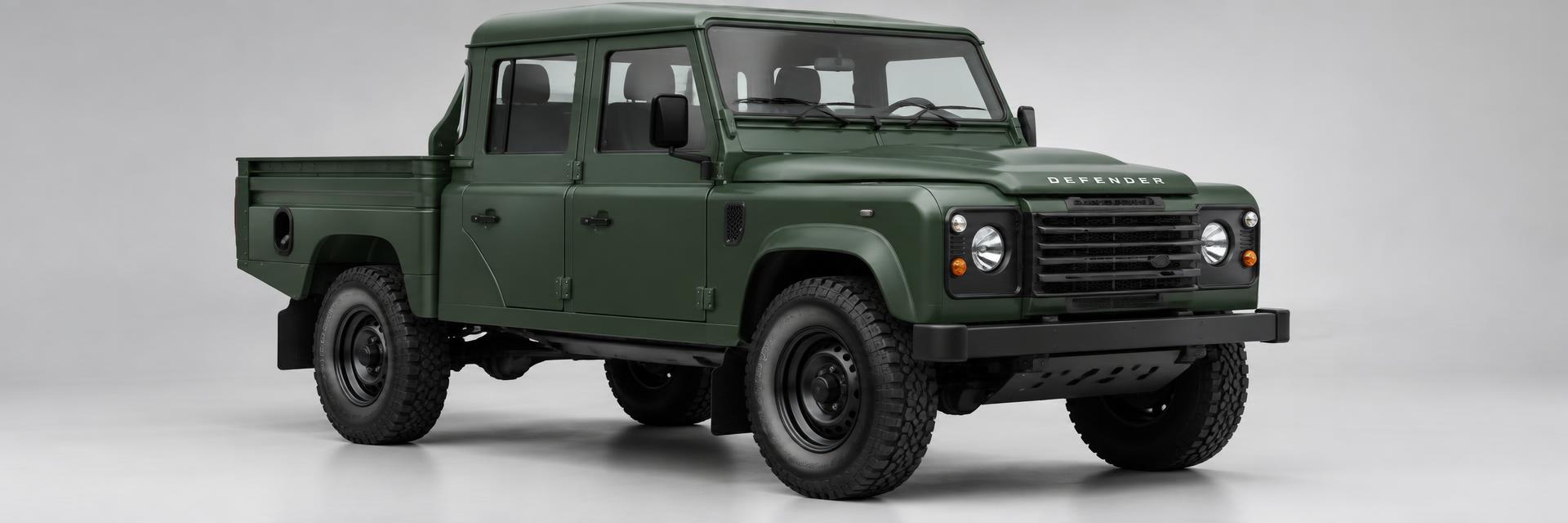
Defender's officially revealed Wolf Series II family includes a single-cab Utility Vehicle built around the current D7x aluminium architecture. Its purpose is military rather than civilian, and Defender has not presented it as a preview of a retail pickup. Even so, the machine answers an important engineering question: the modern monocoque Defender structure can support an open cargo body without reverting automatically to a traditional ladder frame.
The Wolf's upright cab, separated rear body, protected lighting, practical bed sides and mission-focused hardware are useful references, not a civilian styling template. A showroom UTE would need cleaner surfacing, integrated bumpers, pedestrian-impact compliance, a refined tailgate and the camera and sensor coverage expected of a premium vehicle. Still, the official military vehicle gives designers a real starting point rather than a blank page.
Dual cab, single cab or both?
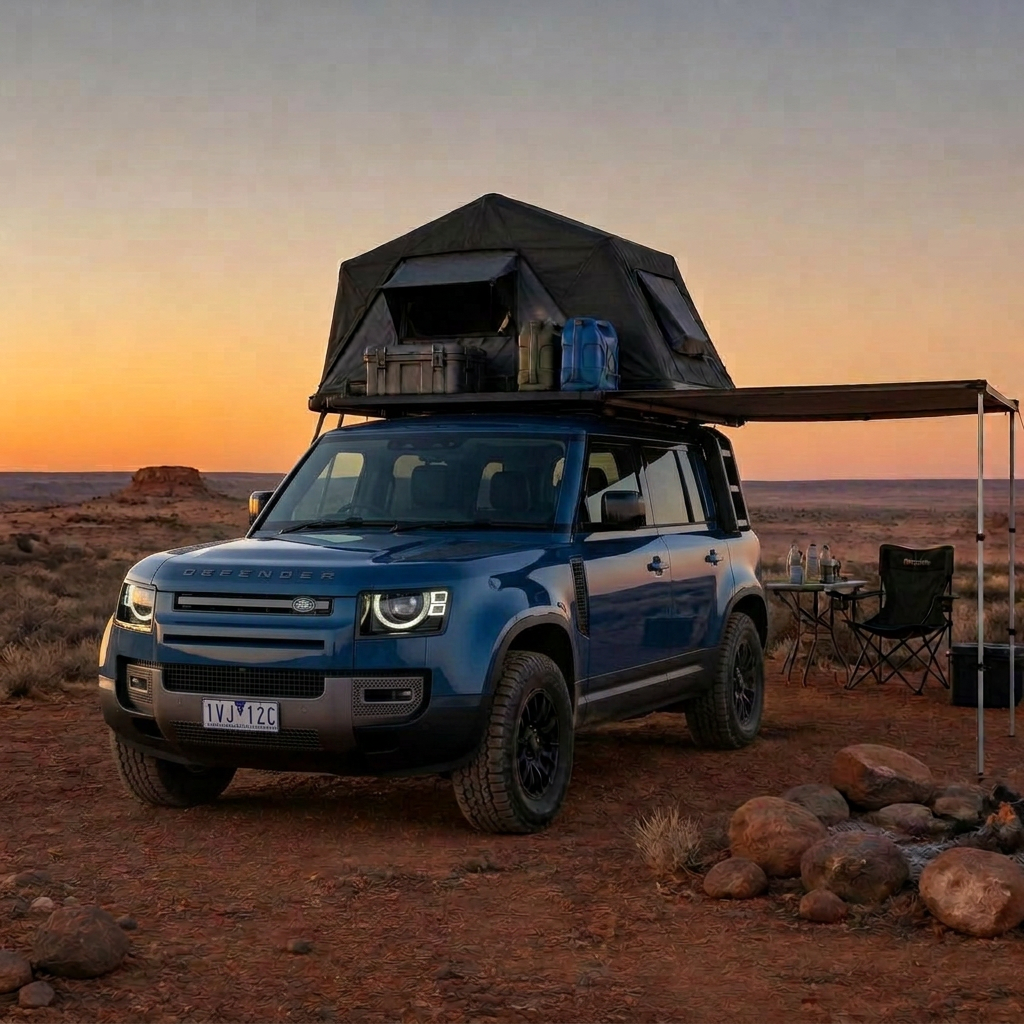
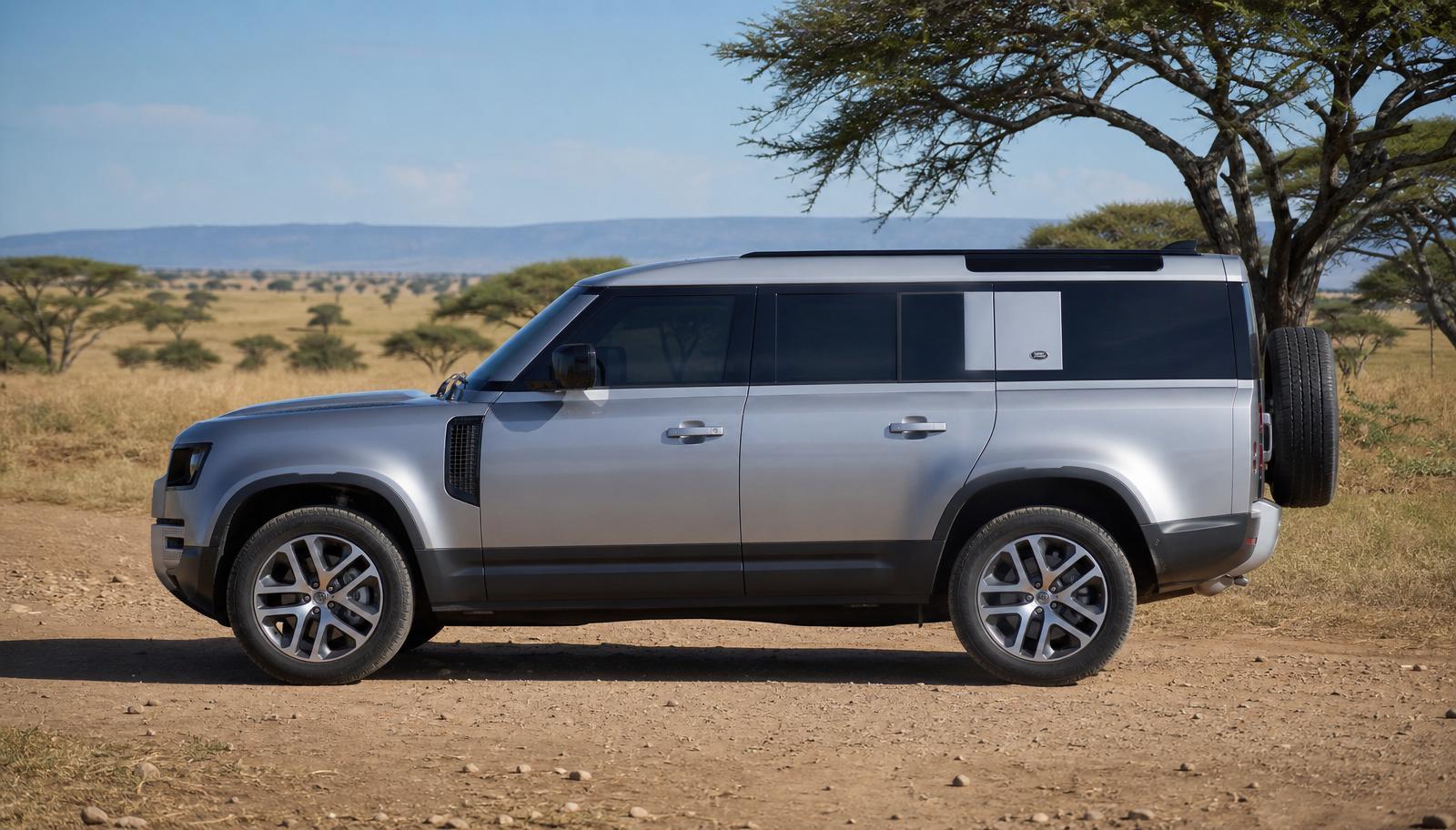
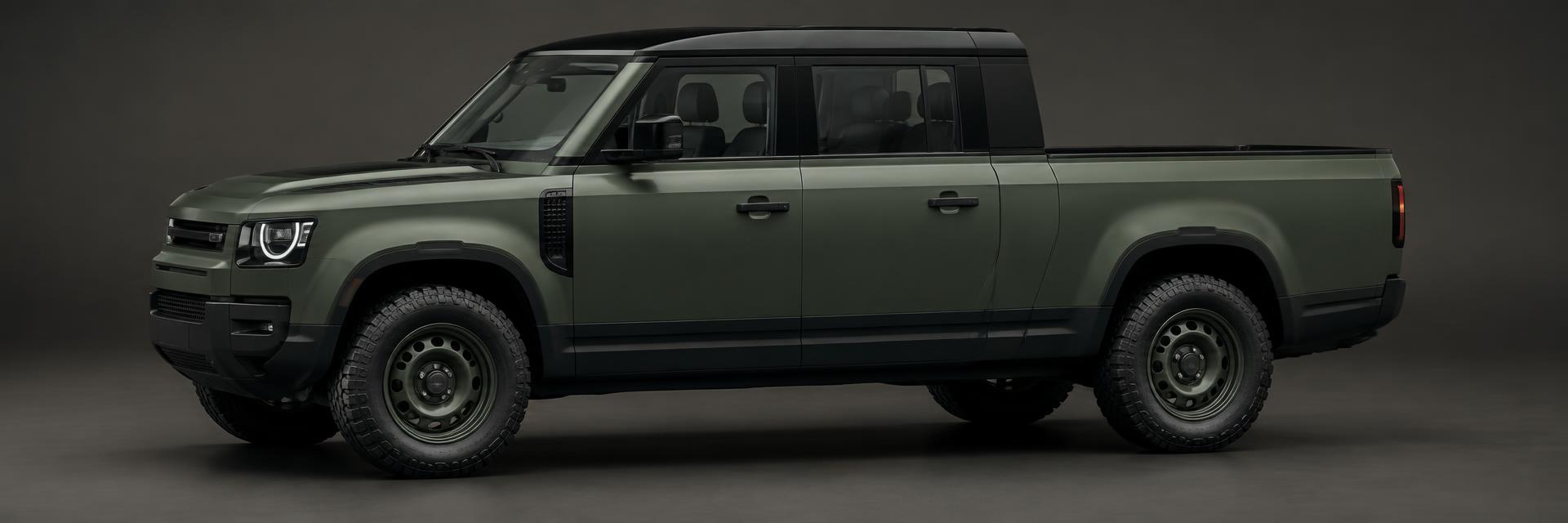
For Australia, a dual-cab body is the obvious headline configuration because it combines five-seat daily use with a separate area for tools, wet camping equipment and recovery gear. In North America, where the reported JLR and Stellantis discussions are focused, a crew cab would also be the commercially familiar choice. A dual cab is therefore the most plausible basis for an aspirational civilian concept, although no body configuration has been confirmed.
A single cab would be the purer utility vehicle and could offer a meaningfully longer tray, better payload distribution and easier canopy packaging. The military Wolf proves the visual idea can work. If a production programme ever expands beyond one body, the 130-length architecture offers enough visual and dimensional flexibility to support a dual cab first and a specialist single cab later. That is a product-planning argument, not a disclosed Land Rover plan.
The tray has to do more than look rugged
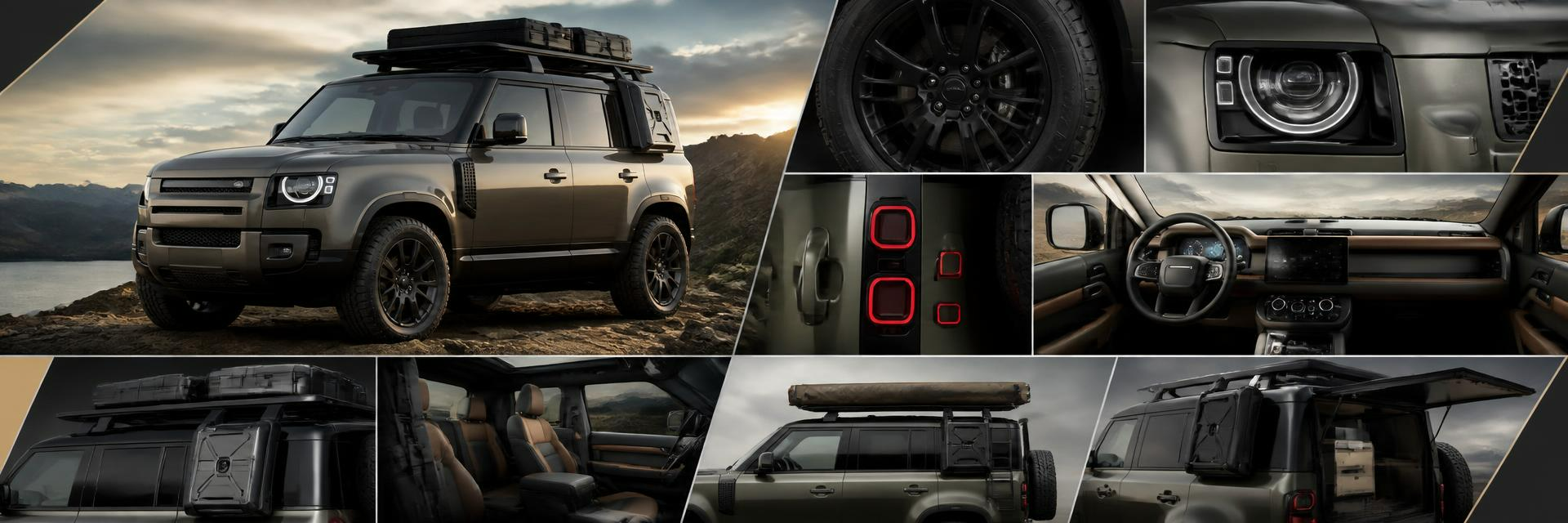
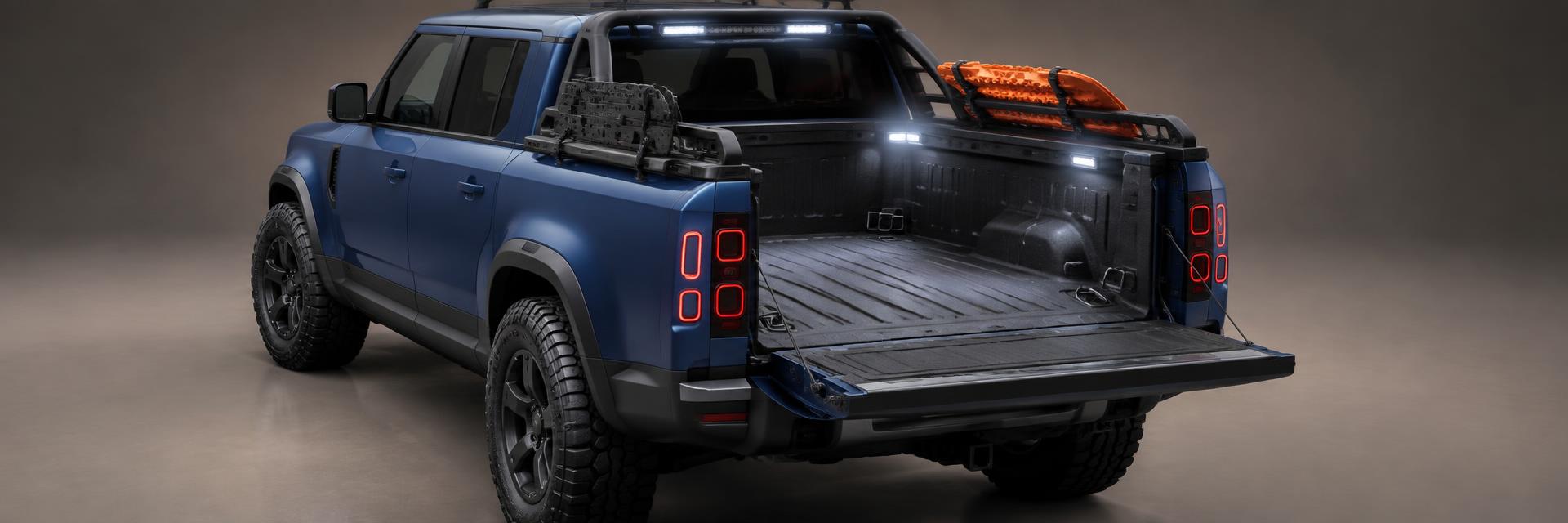
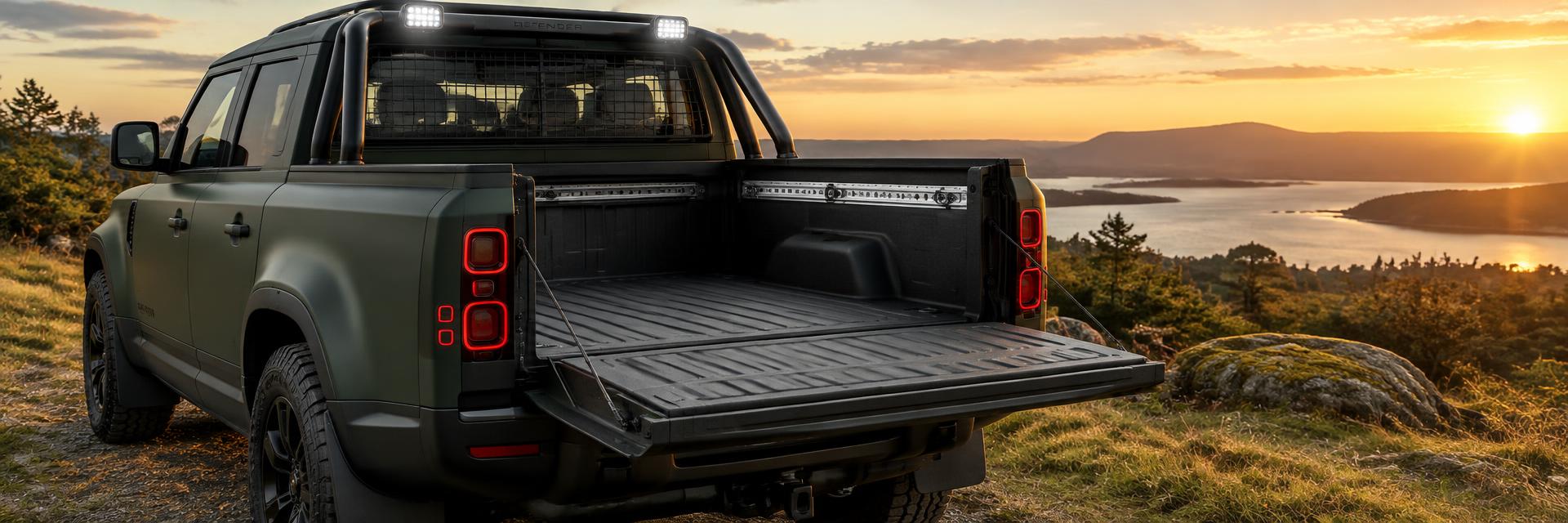
A Defender UTE tray should begin with useful geometry: a broad rectangular floor, four substantial tie-downs, power access, bright work lighting, a damped tailgate and dimensions that accept common drawer, canopy and fridge systems. A tough composite liner would suit lifestyle use, while accessory rails along the upper bed edges could carry a sports bar, cross bars, spare-wheel support, recovery boards or a low-profile tent frame.
For serious touring, the most valuable option may be a factory-prepared cab-chassis or removable-bed arrangement. That would let owners fit an aluminium tray, service body or lightweight touring canopy without paying to remove a painted tub. The challenge is structural: accessories must connect to designed load paths rather than simply drilling through decorative bed panels. Published payload and dynamic rack limits would matter more than the size of the catalogue.
Suspension, tyres and off-road hardware
A civilian UTE could plausibly retain the Defender's independent suspension, permanent four-wheel drive, terrain management and sophisticated camera systems. That would distinguish it from conventional body-on-frame pickups through ride quality and wheel control, but a working UTE also needs predictable behaviour near maximum load. Air suspension would need calibration for a changing tray load and towball download, with clear axle limits rather than a promise that self-levelling somehow creates extra capacity.
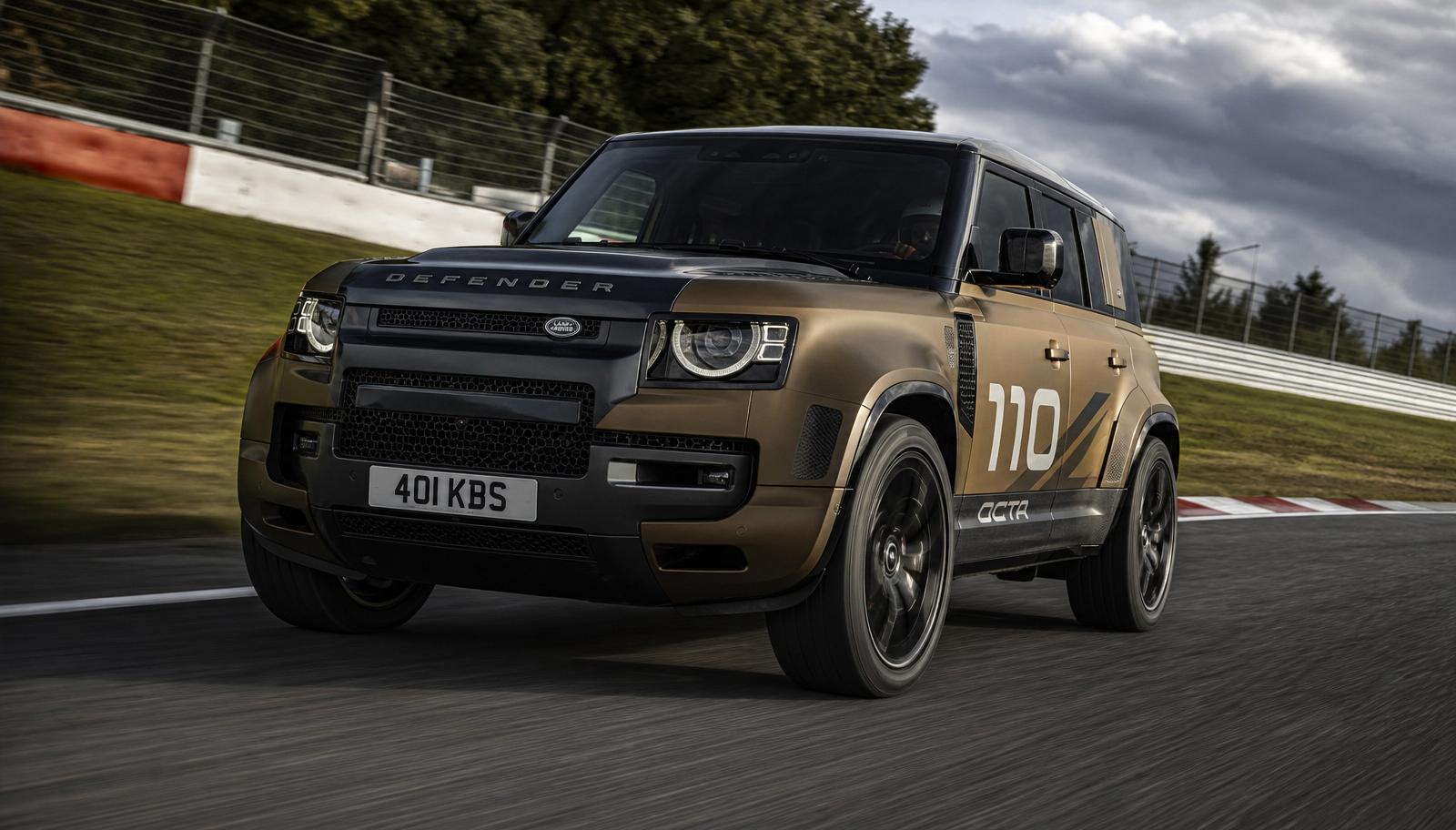
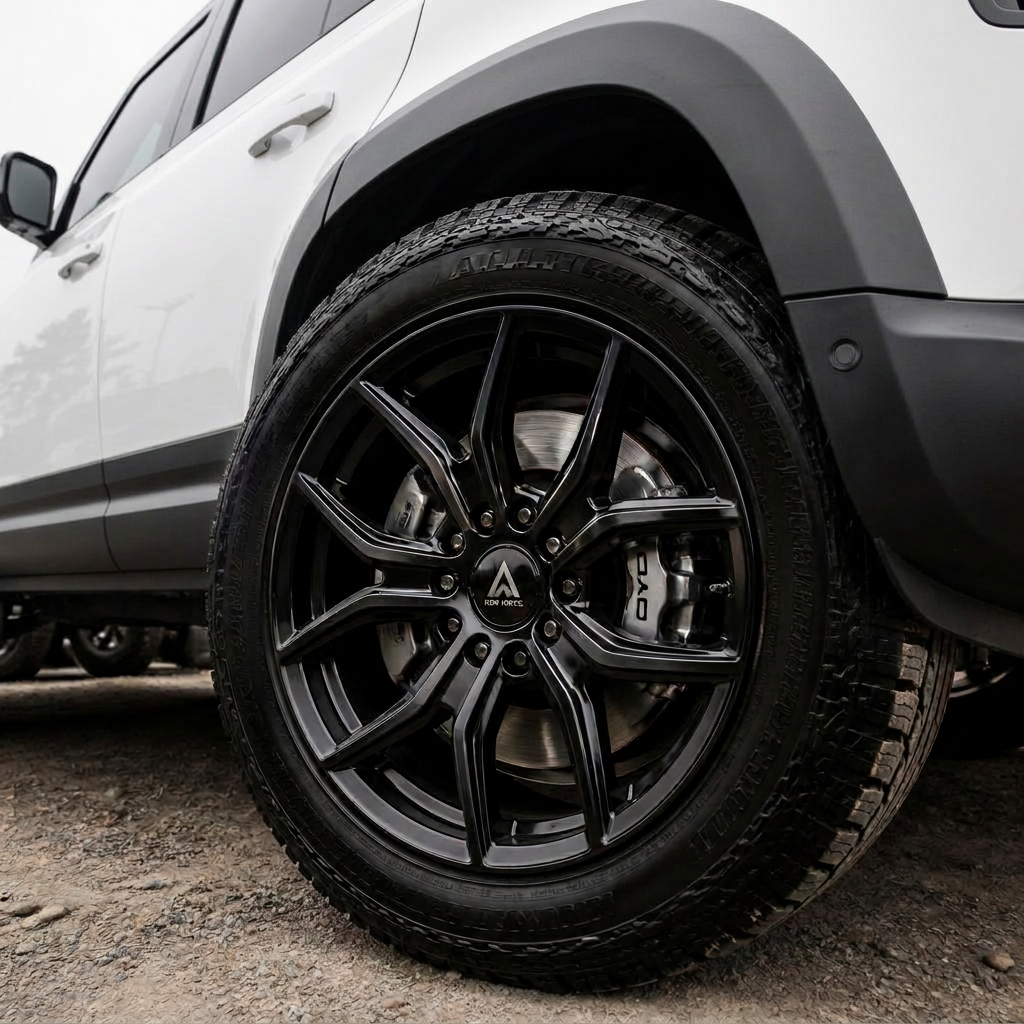
Eighteen- or nineteen-inch wheels with a useful tyre sidewall should be central to the concept, even if larger wheels appear on luxury grades. Proper underbody protection, exposed rated recovery points, a full-size compatible spare and enough clearance for all-terrain tyres would make the design believable. An OCTA-inspired performance version is easy to imagine, but the more important model would be the one engineered for corrugations, heat, dust and payload.
Cabin technology without losing utility
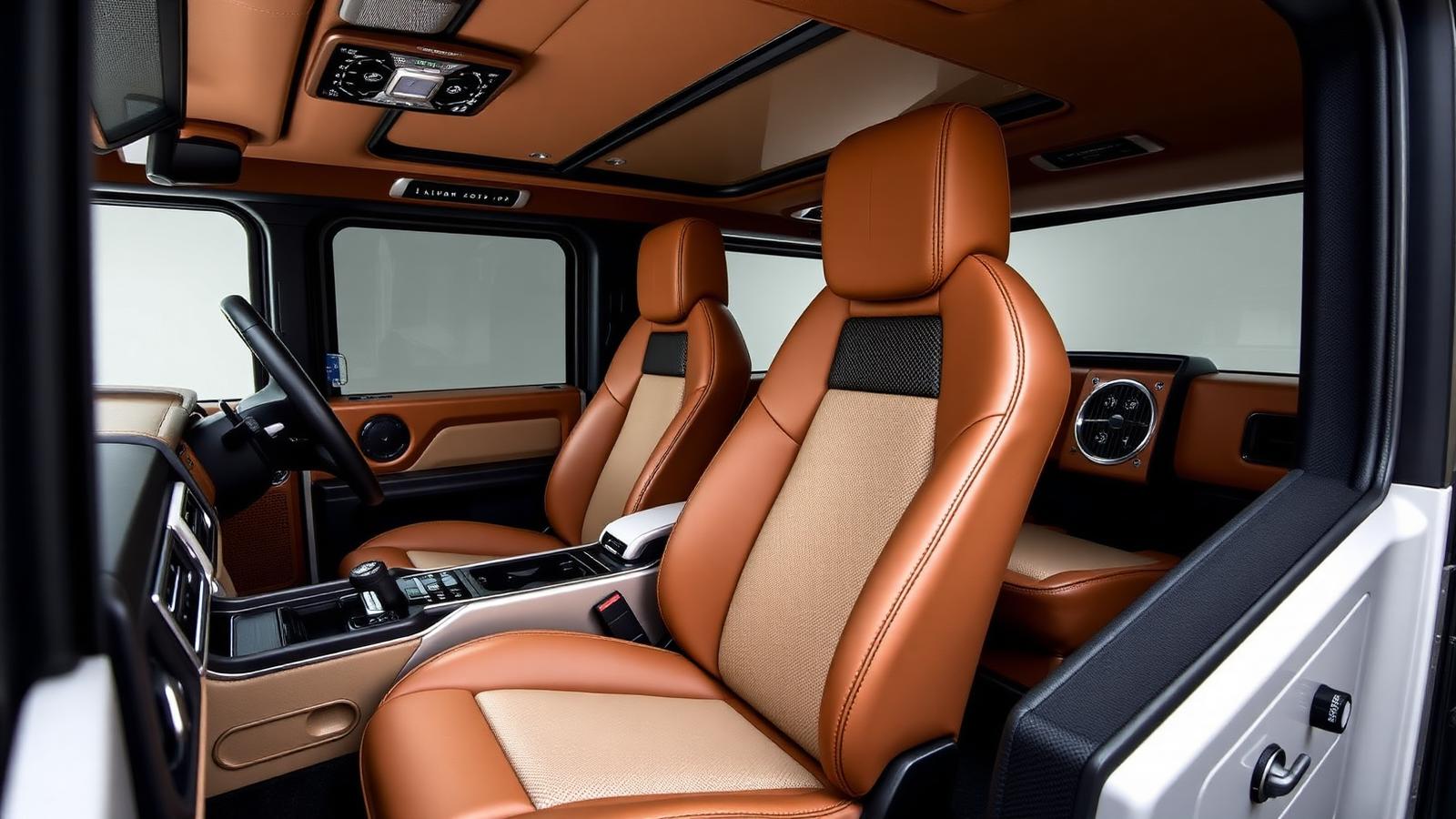
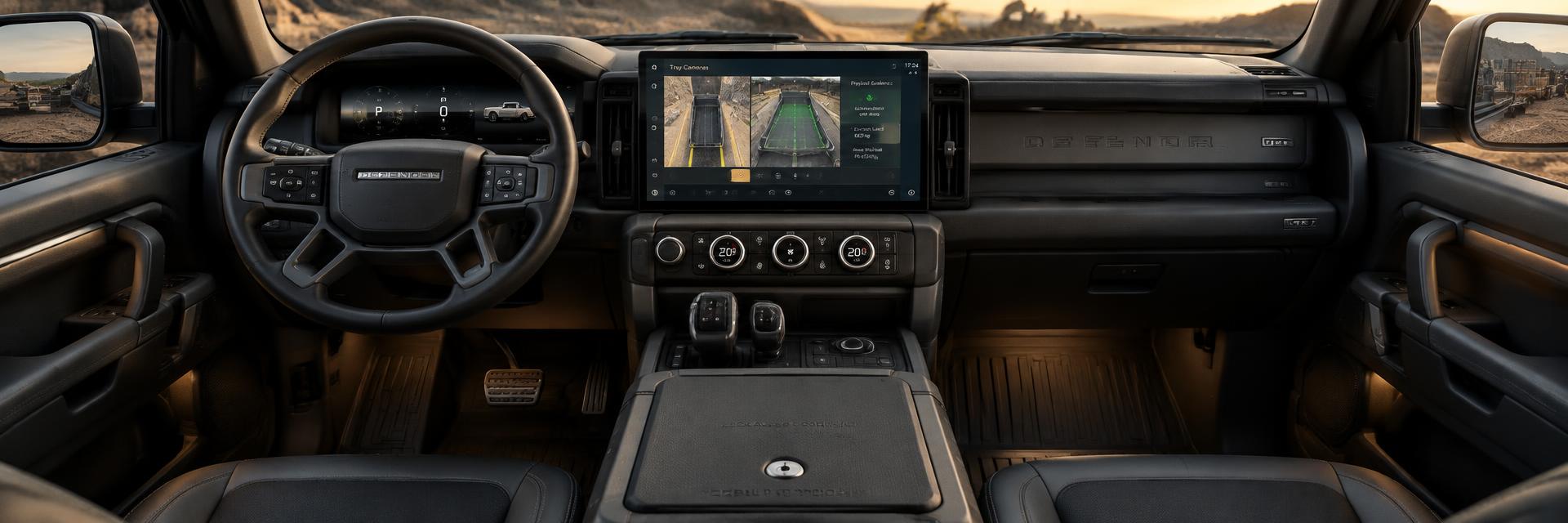
The cabin should remain recognisably Defender: a strong cross-car beam, durable floor surfaces, large physical controls and the central touchscreen used for navigation, cameras and terrain settings. A UTE-specific display could add tray camera views, payload guidance, trailer information, auxiliary-power status and configurable work-light controls. Those functions would be more useful than adding another decorative drive mode.
Storage would need attention because a dual-cab pickup loses the wagon's enclosed rear loadspace. Deep door pockets, a lockable centre console, under-seat spaces and a sealed compartment behind the rear bench could hold straps, tools and electronics. Washable seat materials and rubber floor trays should be available without forcing the buyer into a basic specification; utility and premium quality are not opposites.
Powertrains and the questions no concept image can answer
Existing Defender petrol, diesel, mild-hybrid and plug-in technology suggests several theoretical routes, but there is no confirmed civilian UTE powertrain. Towing range, thermal management, spare-wheel packaging and the location of hybrid hardware all become more complicated when a vehicle is expected to carry and tow at the same time. Any confident claim about engines or outputs at this stage is speculation.
The same applies to price, markets and timing. Reports of a possible US collaboration do not confirm right-hand-drive production, an Australian launch or even final programme approval. For now, the most credible NEW Defender UTE concept is a long-wheelbase dual cab with genuine tray utility, the present Defender's cabin and terrain technology, and accessory mounting engineered from the beginning. Everything beyond that waits for the next official announcement.